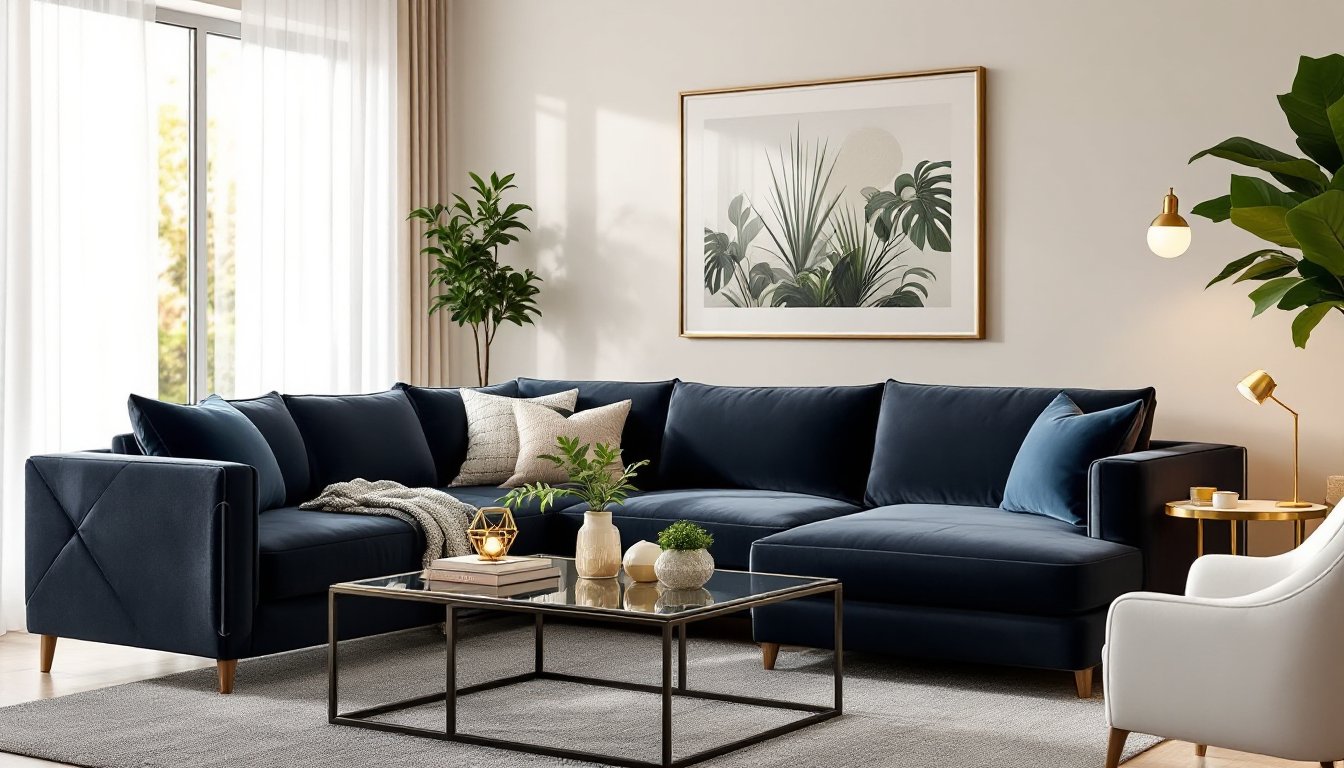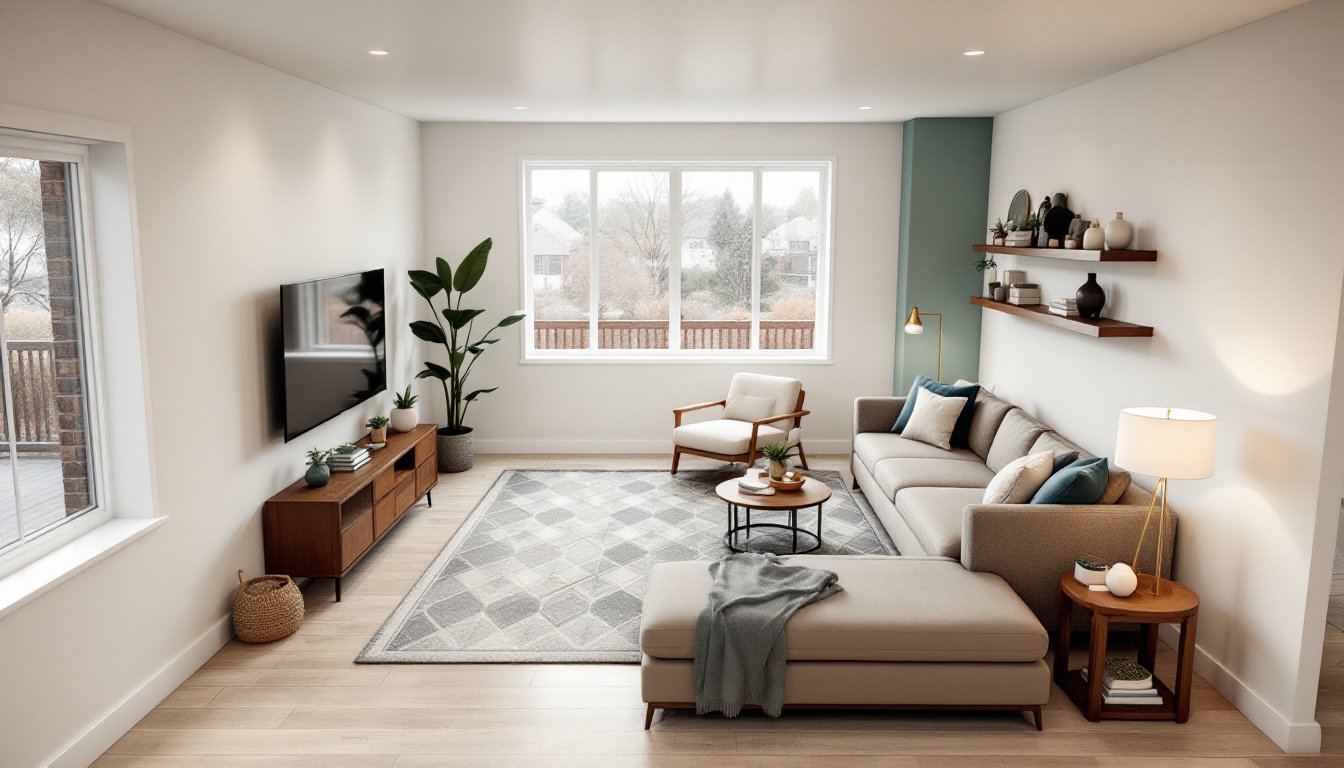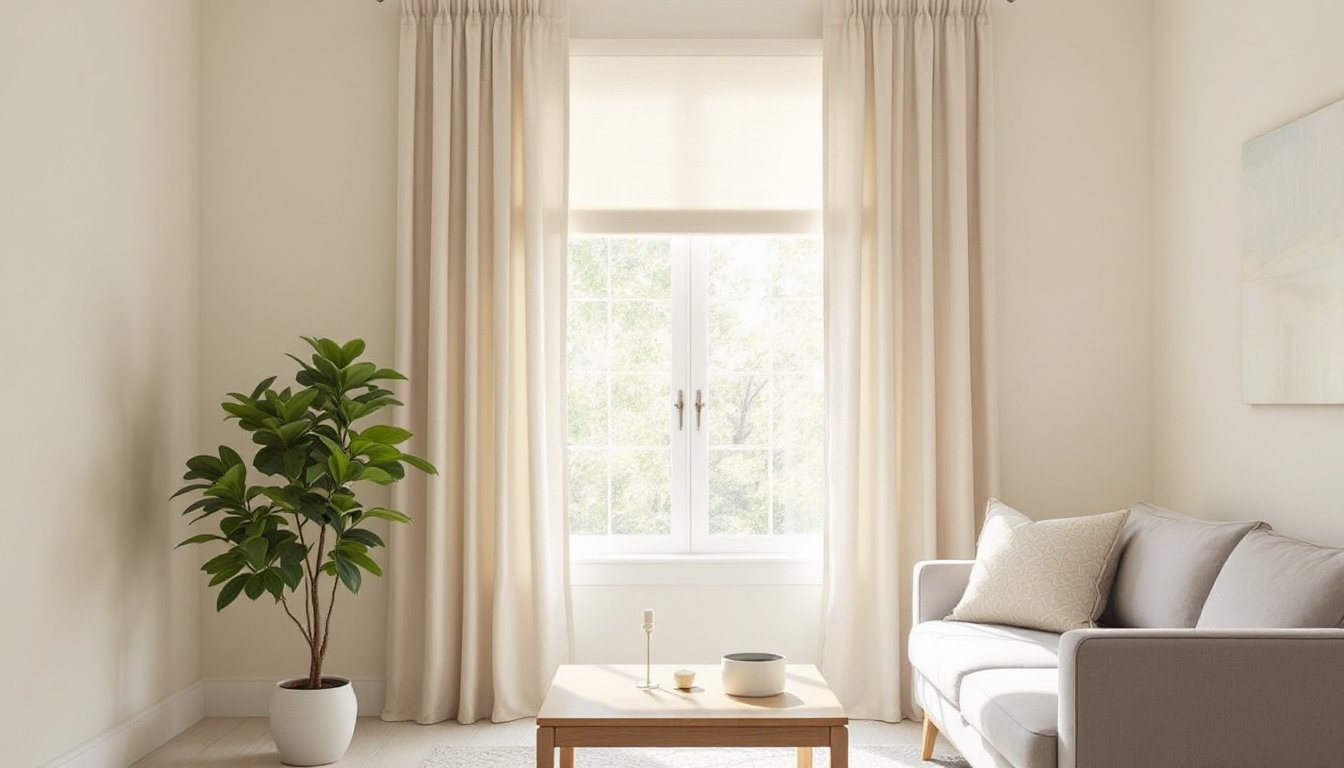
A valance is often the unsung hero of window dressing, that finishing touch that can transform a plain window into a design statement without requiring heavy fabric or complete room renovation. Whether you’re aiming for a cozy farmhouse feel, sleek modern aesthetic, or timeless elegance, the right valance can anchor your living room’s style while keeping your windows functional and light-filled. Unlike full curtains that block views and light, valances sit at the top of the window, offering decorative appeal with practical flexibility. This guide walks you through living room valance ideas across multiple design styles, plus a beginner-friendly DIY project to get you started.
Table of Contents
ToggleKey Takeaways
- Valances for living room ideas come in multiple design styles—minimalist, traditional, farmhouse, and bold patterns—each offering unique aesthetic appeal without blocking natural light.
- Modern minimalist valances prioritize clean lines and neutral palettes, while classic styles embrace structured silhouettes and rich fabrics like damask or velvet for a formal, polished look.
- A no-sew or simple rod-pocket valance is a beginner-friendly DIY project that costs $20–$60 in materials and requires minimal sewing skills or tools to complete.
- Choose the right valance by matching it to your existing décor style, considering window proportions (deeper valances suit small windows, while shallower ones work for large windows), and testing fabric samples for light and maintenance needs.
- Pair your valance strategically with functional window treatments underneath if you need light control or privacy, and always mount hardware to wall studs or use heavy-duty fasteners for secure installation.
Modern Minimalist Valances
Modern minimalist valances strip away fuss and focus on clean lines, neutral palettes, and purposeful design. Think straight-edged hems, monochromatic fabrics in whites, grays, or soft beiges, and minimal embellishment. A flat Roman shade valance or a simple linen rod-pocket valance in a single solid color works beautifully here. Pair them with sleek hardware, brushed nickel or matte black rods, and keep the width proportional to your window, typically covering just the top third.
The beauty of this approach is restraint. Skip fringe, ruffles, and busy prints. Instead, let quality fabric do the talking: a natural Belgian linen or high-thread-count cotton in cream or light gray reads sophisticated and timeless. If you want subtle texture, a flat weave or subtle herringbone pattern adds depth without breaking the minimalist code. Install at the ceiling line or just above the window frame for an elongated, airy effect.
Classic and Traditional Styles
Classic valances lean into timeless elegance with structured silhouettes, rich fabrics, and refined detailing. A pleated valance with symmetrical folds, a swag and tail arrangement, or a shaped valance with a scalloped or curved hem feels formal and tailored. Deep jewel tones, navy, burgundy, forest green, paired with gold or brass hardware create that high-end hotel lobby effect.
Fabrics matter here. Damask, jacquard, or velvet in traditional patterns feel authentic to the style. Consider a double-sided valance (sewn on both sides so it’s finished at the back) if the window is visible from outside or faces into an open room. A traditional valance typically runs 12 to 18 inches deep to make an impact. Pair it with sheer curtain panels or wooden blinds underneath for layered, polished window dressing that works in period homes or transitional spaces inspired by interior design guidance from trusted sources.
Farmhouse and Rustic Designs
Farmhouse valances celebrate natural materials, softness, and a lived-in charm. Look for canvas, burlap, or linen blends in cream, natural tan, or soft white. A gathered or ruffled edge, a simple fringe trim, or gingham or tick-stripe patterns fits this aesthetic perfectly. The vibe is handmade and approachable, not precious.
Rust-resistant metal or natural wood rods add authenticity, think wrought iron or weathered wood. A gathered valance, where fabric is loosely pulled onto the rod and allowed to drape naturally, creates casual softness that feels organic. Skip sharp seams and precise pleats: imperfection is the point. Pair a farmhouse valance with white sheer curtains or gingham panels to complete the country living room valance ideas. This style works equally well in actual farmhouses and suburban homes that embrace that relaxed, collected-over-time aesthetic.
Bold Patterns and Colors
If your living room craves personality, bold patterned valances make a fearless statement. Floral prints, geometric designs, or artistic abstract patterns grab attention and set the room’s tone. A valance in a saturated jewel tone, warm terracotta, or even soft blush becomes a focal point that anchors the rest of your decor.
The trick is balance: a bold valance usually works best with neutral walls, simple furniture, and quieter accessories elsewhere. A geometric print in navy and white, for instance, pairs beautifully with white walls and wood furnishings. If you love color, a single-colored bold valance in mustard, deep teal, or charcoal feels intentional without competing. Consider the scale of the pattern relative to your window size, larger windows can handle busier prints: smaller windows need cleaner designs. Bold valances shine when they reflect your personal style rather than trend-chasing, and they’re an easy way to update a room without committing to expensive redecorating.
DIY Valance Projects for Beginners
Ready to tackle a valance yourself? The good news: basic valances don’t require advanced sewing skills or special tools. The most accessible starting point is a no-sew fabric valance, which uses fabric glue or fusible webbing instead of needle and thread. Measure your window width, add 4 inches for overlap at each end, and purchase that length in your chosen fabric (usually 45 to 60 inches wide). Cut a straight piece or, if confident, cut a gentle scalloped bottom edge using a template.
For a rod-pocket valance (fabric loops that slide over the rod), you’ll need a sewing machine or willingness to hand-stitch. The process is straightforward: fold your top edge down 1.5 to 2 inches, press flat, and stitch or glue a seam that creates a pocket. Slide your curtain rod through, and you’re done. For beginners, skip complex pleats, and stick with straight hems or a simple gathered top. Pre-cut or scrap fabric works fine for your first attempt. Most DIY valances cost $20 to $60 in materials depending on fabric choice, a fraction of store-bought options.
No-Sew Fabric Valance Method
Materials needed:
- Fabric (cotton blend, linen, or home décor fabric) cut to window width plus 8 inches
- Fabric glue (like Aleene’s Tacky Glue) or fusible webbing (Heat-n-Bond Lite)
- Measuring tape
- Scissors
- Iron (if using fusible webbing)
- Curtain rod and mounting hardware
- Newspaper or cardboard for protecting your work surface
Steps:
- Measure your window width and add 4 inches. Cut your fabric to that length and your desired depth (12 to 16 inches is standard for a valance).
- If using fusible webbing, cut a strip about 1.5 inches wide and the full width of your fabric. Iron it to the back side of your top edge, centered, following package directions. Fold the edge down over the webbing and iron again to seal the rod pocket.
- If using fabric glue, apply a thin line along the back of your top edge, fold down your pocket to the desired size, and press firm for 30 seconds. Let dry completely (check glue instructions: most need 24 hours before hanging).
- Try on your rod: it should slide smoothly. If the pocket is too tight, gently stretch the fabric and re-apply heat or glue if needed.
- Mount your rod to the wall studs or use heavy-duty toggle bolts if hitting studs isn’t possible (always secure window hardware to solid framing when possible: toggle bolts work for drywall but aren’t ideal long-term for fabric weight).
- Hang your valance and adjust gathers or folds as desired.
Pro tip: Start with a gathered valance rather than a tailored pleat or scalloped hem. Gathers forgive imperfect cutting and sewing. Practice hemming on a test piece before committing to your final fabric.
How to Choose the Right Valance for Your Space
Choosing the perfect valance comes down to three factors: your room’s existing style, the window’s proportions, and your lifestyle needs. Start by identifying your design direction, modern, traditional, farmhouse, eclectic, and look at existing furniture, wall colors, and flooring. Your valance should feel like it belongs, not dropped in from another room.
Next, consider window size and placement. A small, high window in a living room can handle a deeper (16 to 18 inch), structured valance that makes a statement. Large picture windows or full walls of windows often work better with shallower (8 to 12 inch) valances that don’t overwhelm the space. Think about function too: if you need blackout capability, a valance alone won’t cut it, pair it with curtains or roller shades underneath. If you want flexibility to open and close, keep the valance on top and add functional window treatments below.
Light matters. A lightweight linen or cotton fabric allows diffused light through: heavier velvet or blackout fabric blocks more. Test a fabric sample in your room at different times of day. Also consider maintenance: practical homeowners with pets or kids might skip light-colored delicate fabrics and stick with darker, washable blends. Resources like modern home styling guides showcase living room window treatments in real spaces, helping you visualize how valances work with different décors. Finally, trust your gut, if you love it, you’ll enjoy living with it, and that’s half the battle in home design.