A living room rug does more than just cover your floor, it anchors your furniture, defines the space, and pulls your whole room together. Whether you’re working with a sprawling layout or a cozy apartment, the right area rug can transform how your living room feels and functions. With endless styles, materials, and price points available, picking the perfect rug shouldn’t feel overwhelming. This guide walks you through the practical steps to find living room area rug ideas that match your space, budget, and lifestyle. You’ll learn how to measure correctly, navigate style choices, and choose durable materials that actually stand up to daily living.
Table of Contents
ToggleKey Takeaways
- Proper sizing is critical—at least the front legs of your furniture should sit on the rug, with 8×10 feet or larger ideal for multiple seating pieces to create visual continuity.
- Your living room area rug ideas should align with your aesthetic: neutral rugs showcase bold accents, while statement-colored rugs anchor modern spaces with minimal furniture.
- Wool rugs offer superior durability and longevity (10+ years), but polypropylene and synthetic options provide budget-friendly, pet-resistant alternatives ideal for high-traffic family spaces.
- Strategic color selection—pulling from existing artwork, walls, or wood tones—creates cohesion and should be tested in your home’s natural lighting before purchasing.
- Smart shopping at online retailers, thrift stores, and during seasonal sales can reduce rug costs by 30–50% without sacrificing style or quality.
Sizing Your Living Room Rug for Maximum Impact
Getting the size right is the foundation of a successful rug choice. An undersized rug makes a room feel fragmented: an oversized one can overwhelm the space. Here’s the practical approach:
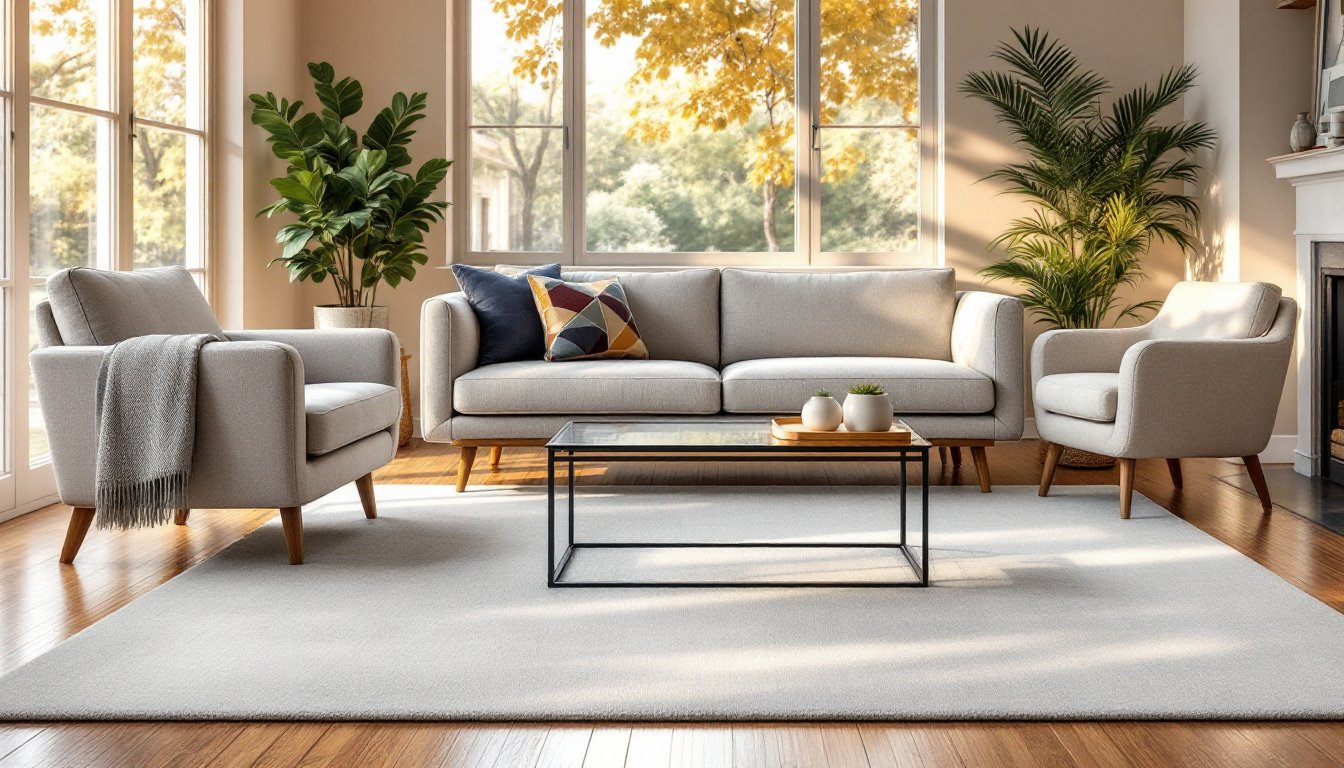
Standard sizing rules: In most living rooms, you want at least the front legs of your sofa and chairs to sit on the rug. This creates visual continuity and makes the furniture grouping feel intentional. If your room is large enough, aim for the entire seating area to sit on the rug, this pulls everything together.
Measure your furniture first. Determine the depth (front to back) of your longest piece, usually the sofa. Add 2 to 3 feet on each side for breathing room. For width, measure the length of your main seating wall. Most living rooms work well with rugs between 5×8 feet and 9×12 feet, though your actual space dictates the final size.
Quick rule of thumb: A rug that’s 8×10 feet or larger typically works for spaces with multiple seating pieces. Smaller rooms or apartments may do better with a 5×7 or 6×9 rug. Remember that doorways matter too, avoid placing a rug directly in a main traffic lane where people will stub their toes on the edge.
Layering is an option. Some designers place a smaller rug on top of a larger, neutral base for visual interest, but this works best in very spacious rooms and adds complexity to furniture arrangement.
Popular Rug Styles and Patterns for Modern Living Rooms
Your rug sets the tone for your entire room’s aesthetic. The style you choose should reflect both your personal taste and the overall design direction of your home.
Minimalist and Contemporary Designs
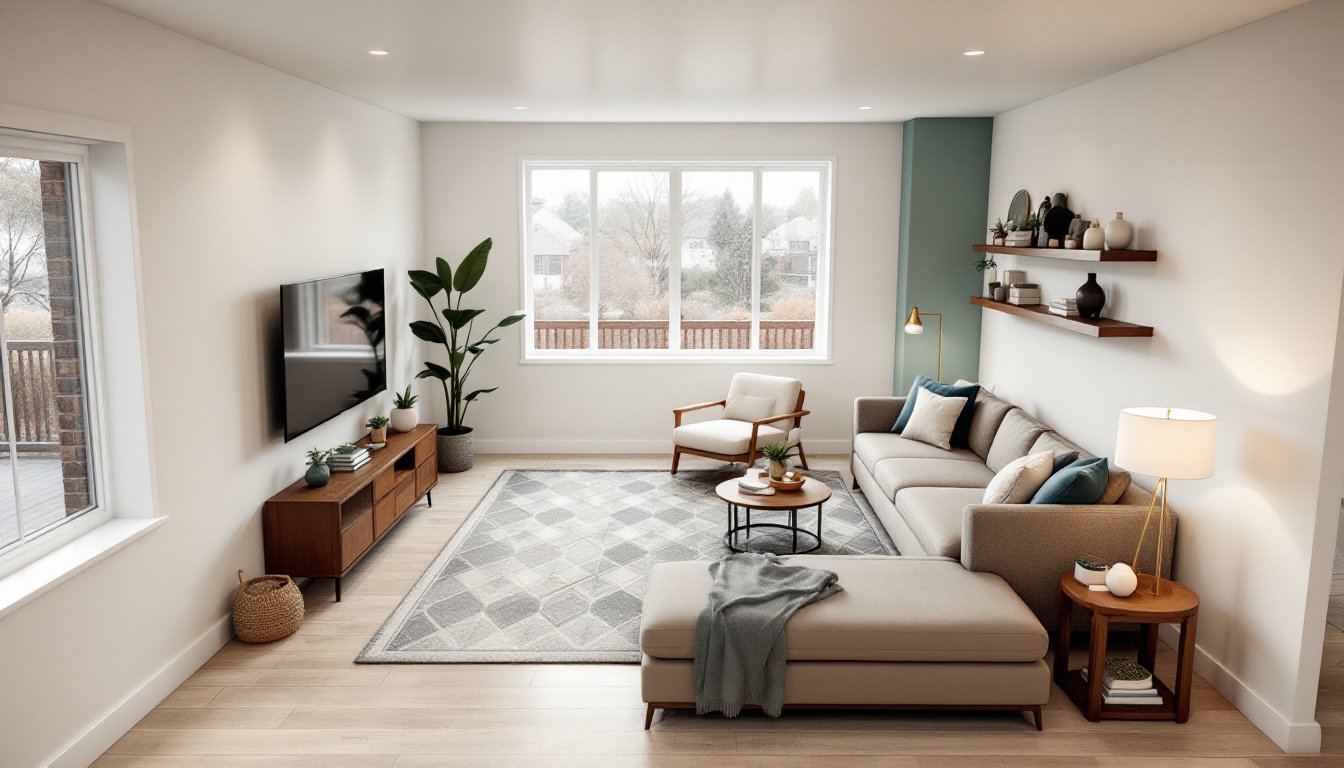
Minimalist rugs feature solid colors, subtle geometric patterns, or understated textures. These work beautifully in modern living rooms where you want the rug to support, not steal, the spotlight. Neutral grays, soft blacks, and warm whites are safe anchors that complement any furniture style. Look for flatweave or low-pile construction for a clean, refined look.
Contemporary patterns often include simple geometric shapes (stripes, grids, or abstract shapes) in a limited color palette. These rugs add visual interest without chaos, making them ideal for homeowners who want sophistication without fuss.
Bohemian and Eclectic Patterns
Bohemian rugs embrace color, texture, and layered patterns. Think rich jewel tones, intricate tribal designs, and varied weaving techniques. These rugs work brilliantly when you’re combining furnishings from different eras or styles. A Moroccan-inspired rug with geometric patterns and fringe can anchor a living room that mixes vintage finds with modern pieces.
Eclectic patterns push further, combining multiple design influences in one rug. They’re forgiving, if you love bold color and don’t mind visual complexity, an eclectic rug gives you permission to embrace it. Just balance a busy rug with simpler wall treatments and furniture to avoid sensory overload. Resources like Domino feature design trends that showcase how patterned rugs work in real homes.
Color Selection Strategies That Complement Your Decor
Choosing a rug color isn’t guesswork, it’s strategy. Your rug should either anchor the room or accent it, depending on what your space needs.
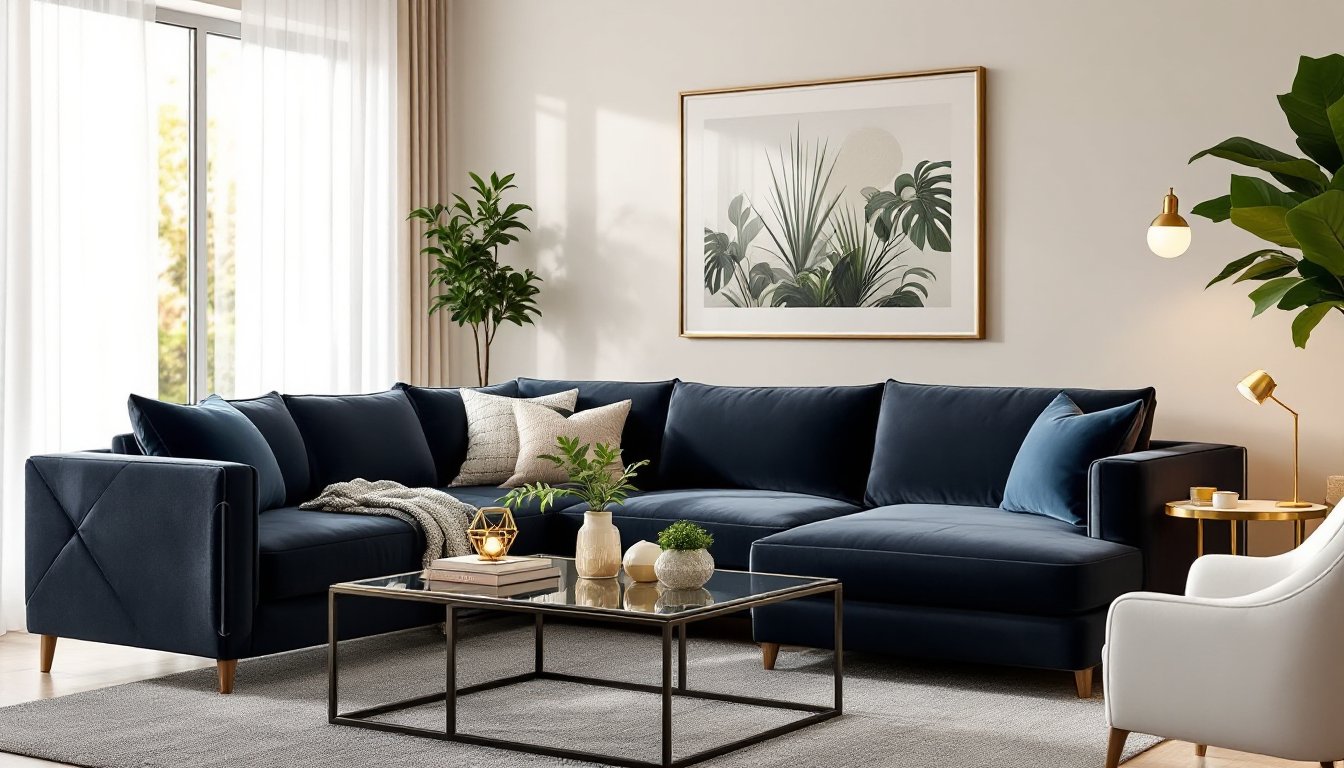
Neutral rug, colorful accents: If you have bold artwork, colorful furniture, or patterned pillows, a neutral rug (beige, gray, or soft taupe) lets those elements shine. This approach gives you flexibility to change accents without replacing the rug.
Bold rug, neutral furniture: A rich jewel tone, deep teal, or warm rust-colored rug works when your sofa is gray or cream-colored and your walls are neutral. The rug becomes the visual anchor and defines the room’s personality.
Match your existing palette: Pull colors from your wall paint, existing artwork, or furniture. If your living room already has warm wood tones and terracotta accents, a rug in warm earth tones creates cohesion. Look at your room in natural daylight when making final color choices, artificial lighting can shift how colors appear.
Lighting matters: A rug that looks perfect under the store’s bright lights might feel different in your softer home lighting. If possible, order a sample or borrow a similar rug to test in your actual space for at least a day. Interior design resources like Apartment Therapy’s small space guides often show how color choices impact perception of room size.
Budget-Friendly Rug Options Without Sacrificing Style
Quality rugs can be pricey, but you don’t need to spend a fortune to find something that looks great and performs well. Here’s where smart shopping comes in.
Online retailers and discount outlets: Websites specializing in home goods often offer rugs at 30–50% below traditional retail. These aren’t always knockoffs, many stock quality pieces directly from manufacturers. The trade-off is no in-person inspection, so read detailed reviews and check return policies.
Vintage and secondhand options: Thrift stores and online marketplaces (Facebook Marketplace, local estate sales) often have quality vintage rugs at a fraction of new prices. A well-maintained wool rug from 20 years ago might outlast a cheaper new synthetic one. Just inspect for permanent stains or odors before committing.
Synthetic vs. natural fiber: Polypropylene and polyester rugs cost significantly less than wool or natural fibers, and modern synthetics have improved durability and appearance. If you have pets or kids, a synthetic rug might be smarter, spills wipe off easily, and pricing won’t make you sweat over accidents.
Size flexibility: A 5×7 rug costs far less than a 9×12. If budget is tight, layer a smaller rug over hardwood or existing flooring. This also creates living room rugs ideas that feel intentional rather than makeshift.
Timing: End-of-season sales, holiday promotions, and clearance sections are prime hunting grounds. Homedit’s furniture guides often highlight current sales and value options for furnishings and rugs.
Rug Materials and Durability for High-Traffic Areas
Material choice determines how long your rug lasts and how much maintenance it requires. Different fibers suit different situations.
Wool: The gold standard. Wool is naturally resilient, stain-resistant, and ages beautifully. It’s pricier upfront but lasts 10+ years with care. Best for living rooms without heavy pet traffic.
Polypropylene: Budget-friendly and water-resistant. These synthetic fibers handle spills and pet accidents well. The downside: they show wear faster and don’t have wool’s longevity. Realistic lifespan is 3–7 years with heavy use.
Jute and sisal: Natural fiber rugs add texture and warmth. They’re eco-friendly but rougher underfoot and less forgiving with stains. Pair with a quality rug pad to prevent slipping.
Blended fibers: A wool-and-synthetic blend balances durability, cost, and stain resistance. Many quality mid-range rugs use this approach.
High-traffic reality: If your living room is the family hub with kids, pets, and daily foot traffic, prioritize washability and stain resistance over pure aesthetics. A polypropylene or treated wool rug will perform better than delicate natural fibers. Invest in a quality underlayment or rug pad, this prevents shifting, reduces slipping hazards, and extends your rug’s life by protecting the backing.
Maintenance: Vacuum weekly to prevent dirt from embedding. Address spills immediately with cold water and a neutral cleaner. Annual professional cleaning extends the life of any quality rug significantly.