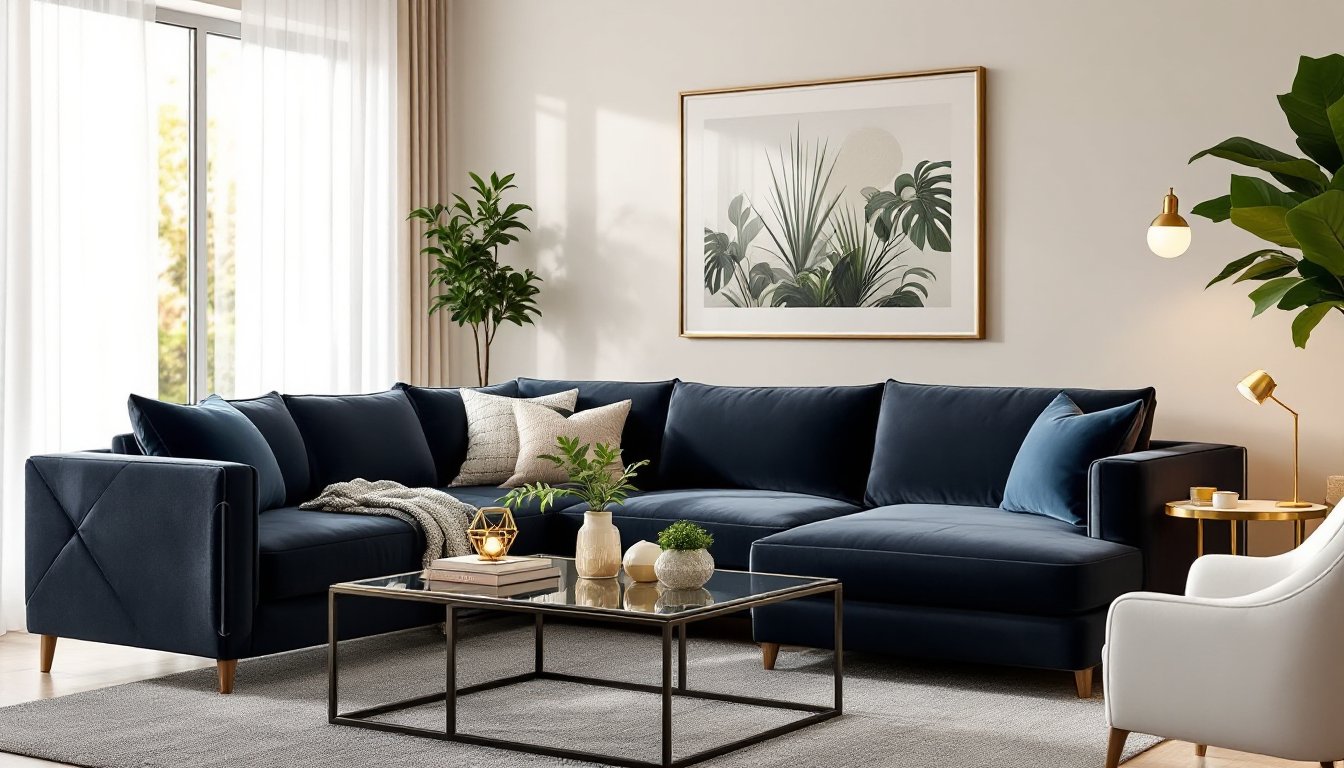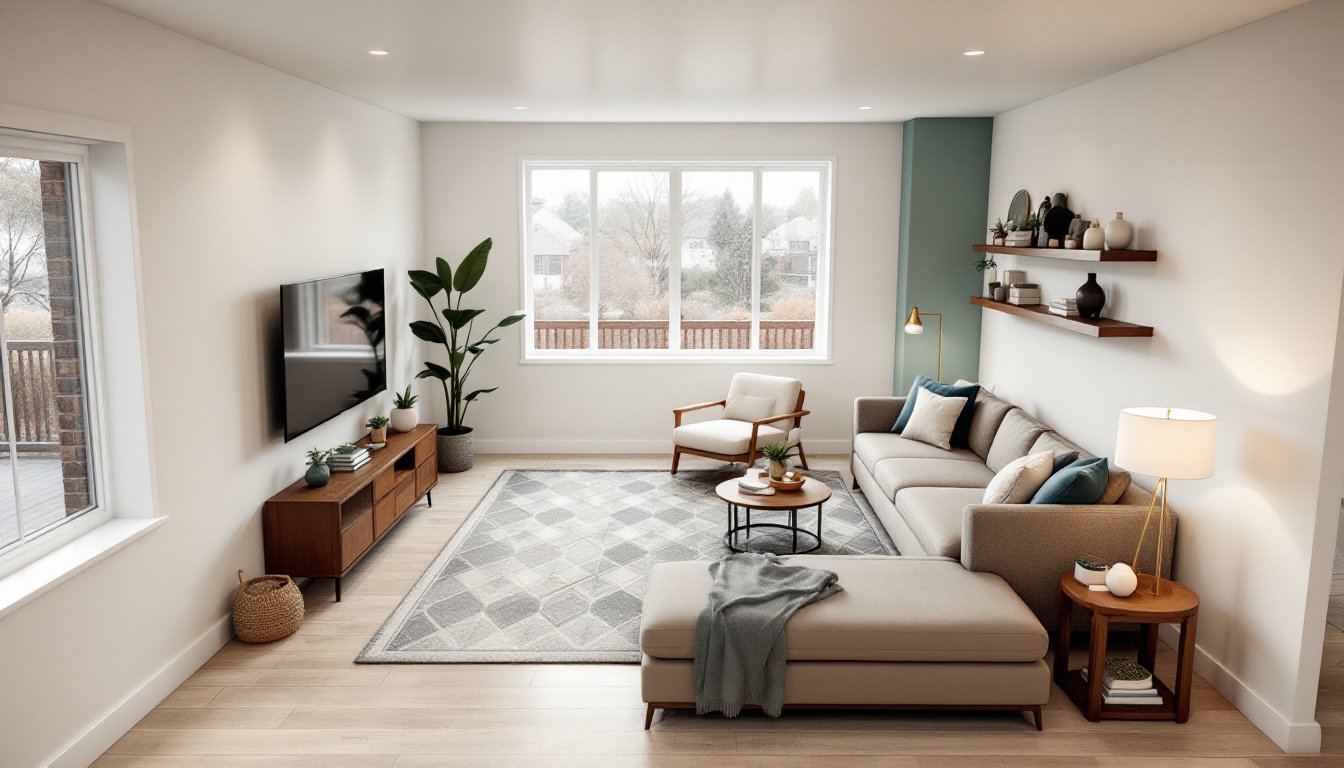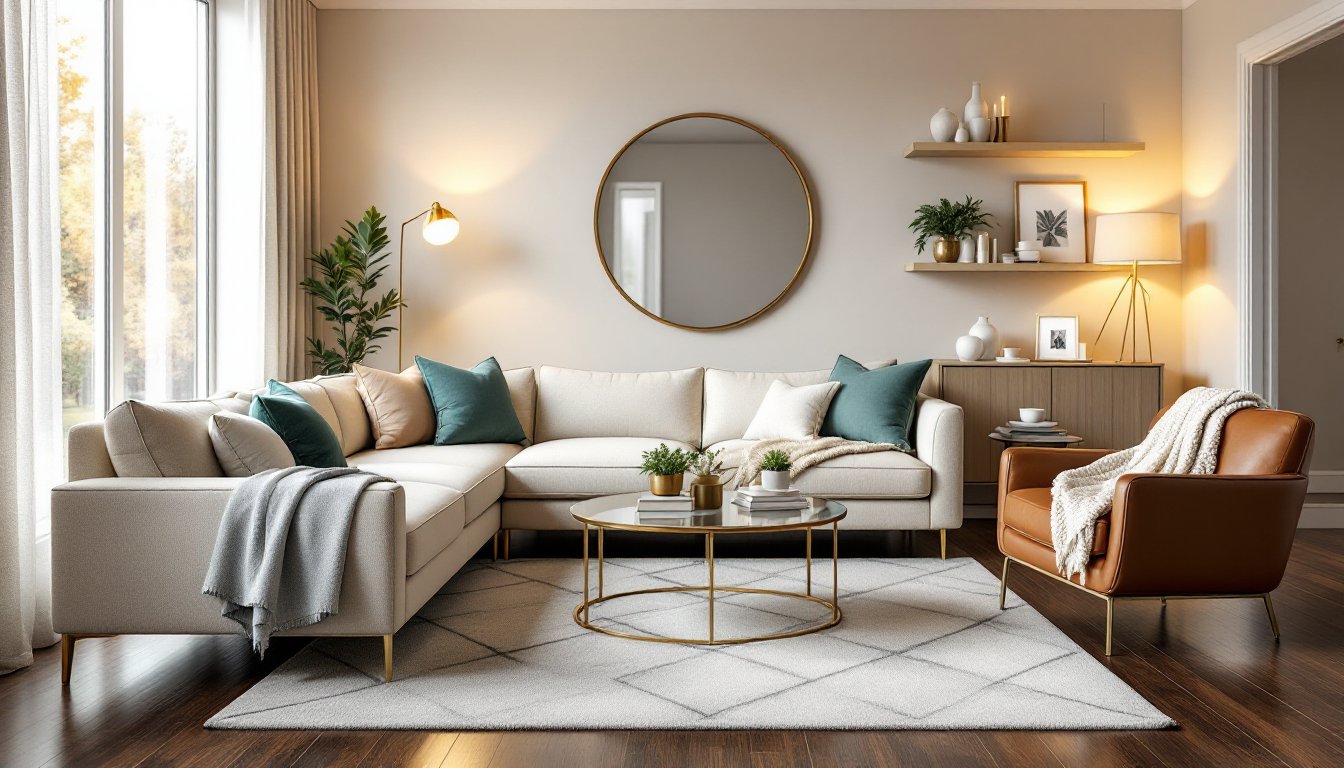
Dark wood floors bring warmth, sophistication, and a sense of permanence to any living room. Whether you’re working with rich ebony tones, deep walnut, or warm chocolate hues, dark wood creates a striking foundation that can feel both grounded and upscale. The challenge many homeowners face isn’t choosing dark wood, it’s designing the rest of the room so it works with those floors rather than against them. A modern living room with dark wood floors demands thoughtful color choices, strategic lighting, and layered textures to avoid feeling cave-like or heavy. This guide walks you through proven ideas to maximize your dark wood floor living room, from color palettes and furniture selection to lighting strategies and maintenance routines.
Table of Contents
ToggleKey Takeaways
- Dark wood floor living room ideas thrive when paired with light-colored upholstery and warm neutral wall colors to create contrast and prevent the space from feeling cave-like.
- Strategic lighting through layered ambient, task, and accent sources is essential since dark wood floors absorb light and require more illumination than lighter flooring.
- Jewel tones and cool accent colors like emerald, navy, and forest green create designer-level impact against dark wood when used as accents rather than dominating wall color.
- Large area rugs (8×10 or larger) anchored with front sofa legs positioned on them are critical for defining the seating area and adding visual warmth to dark wood floors.
- Texture layering through mixed fabrics—velvet, linen, leather, and wool—prevents dark wood living rooms from feeling sterile and adds depth and coziness.
- Maintenance requires consistent dusting twice weekly with a microfiber mop and immediate spill cleanup, as dark wood shows dust and water damage more visibly than light wood.
Color Palettes That Complement Dark Wood Floors
Warm Neutrals and Earth Tones
Warm neutrals, creams, soft grays, warm whites, and beige, are your safest play with dark wood floors. These colors don’t fight for attention: they let the floor be the anchor while keeping the room feeling open. Pair warm off-whites on walls with darker wood and you get instant contrast without harshness. Greiges (that soft blend of gray and beige) work particularly well because they don’t lean too cool or too warm.
Earth tones like terracotta, burnt sienna, rust, and ochre complement dark wood beautifully. A rust accent wall or rust-colored sofa doesn’t compete, it echoes the floor’s warmth. Tan, taupe, and soft brown upholstery blend naturally with your dark wood, creating a cohesive, grounded look. The key is choosing earth tones that sit slightly lighter than your flooring so they read as accents, not extensions of the floor itself.
Cool Accent Colors and Jewel Tones
Don’t assume dark wood only works with warm tones. Cool accent colors, soft blues, greens, and grays, create striking contrast without clashing. A dusty navy accent wall or deep forest green upholstery against dark wood feels designer-level intentional. The contrast keeps the room from feeling monochromatic and heavy.
Jewel tones (emerald, sapphire, deep teal, amethyst) add luxury and depth to dark wood living rooms. These colors feel rich without being loud. Use jewel tones as accent pieces, throw pillows, an area rug, or artwork, rather than painting entire walls. This approach gives you impact while maintaining balance. A modern living room with dark wood floors can absolutely pull off jewel tones if they’re treated as accents rather than dominating the space. Interior design ideas from trusted sources often showcase how jewel tones and dark wood create visual interest without overwhelming smaller rooms.
Furniture Styles That Work Best With Dark Floors
Mid-century modern, contemporary, and industrial styles feel at home with dark wood floors. These pieces typically feature clean lines, exposed wood or metal, and minimal visual clutter, exactly what dark flooring needs as company.
Light-colored upholstery (cream, white, gray, light taupe) creates visual lift against dark floors. A light gray sectional or cream sofa anchors the room and makes the space feel larger. Avoid matching your furniture to your floor: that monochromatic effect can feel cave-like in a living room.
Wood furniture pairs naturally with dark floors, but choose pieces that contrast in tone. Light oak, ash, or light-stained pieces brighten the visual landscape. Dark walnut or ebony furniture on dark floors reads as one cohesive layer, beautiful, but you need lighter accents elsewhere to prevent visual heaviness. Metal accents, brass, copper, or steel side tables and shelving, add shine and break up the warmth of the wood.
Modern home decor trends often feature dark wood floors paired with mixed-material furniture: wood, metal, leather, and upholstered pieces working together. This layered approach prevents the room from feeling one-note. A leather sectional in cognac or tan, paired with a brass-legged coffee table and light oak shelving, creates visual interest and sophistication.
Maximizing Natural Light in Your Dark Wood Floor Living Room
Dark floors absorb light, so natural light becomes critical. If your living room has windows, prioritize them. Keep window treatments simple, lightweight linen sheers or no treatment at all if privacy allows. Heavy curtains only deepen the darkness.
Reflective surfaces amplify available light. A large mirror opposite a window bounces daylight throughout the room. Glossy or matte finishes on walls (semi-gloss paint reflects more light than flat) make a subtle but real difference. Glass tabletops, metal fixtures, and polished accessories all contribute to light distribution.
Layered artificial lighting is essential for dark wood floors, especially in evenings. Rely on three types: ambient (ceiling fixtures, track lighting), task (desk lamps, floor lamps near seating), and accent (picture lights, wall sconces). A dark wood floor living room needs more light sources than you’d expect, that’s not decoration, that’s functional design. Warm-white bulbs (2700K color temperature) complement wood tones without looking sterile. Recessed ceiling lights work well but can be cold: balance them with warmer table lamps or wall sconces.
Ceiling height matters too. A 9-foot ceiling works fine with dark wood: anything lower risks feeling compressed. If your ceilings are 8 feet or less, prioritize light wall colors and reflective surfaces even more.
Rug and Textile Layering for Visual Interest
Area rugs are essential in dark wood floor living rooms, not optional. They define the seating area, add color and texture, and physically soften the hardness of wood. A large rug (8×10 or larger in most living rooms) anchors the space. Placement matters: front sofa legs should sit on the rug, not hovering behind it.
Color and pattern choices depend on your palette. Lighter rugs (cream, soft gray, ivory) create contrast and make the floor feel intentional rather than oppressive. Patterned rugs add visual movement, Persian designs, geometric patterns, or subtle striping break up flat color. Wool rugs age beautifully with dark wood: they develop character over years.
Layering textiles adds warmth without clutter. Throw pillows in varying textures (linen, velvet, cotton, faux fur) on your sofa introduce softness. Blankets draped over arm chairs feel inviting. Curtains, upholstery, and throw pillow combinations should include at least two or three different fabric textures to avoid a flat, one-dimensional look.
Texture contrast matters as much as color. Pair smooth leather with soft linen, matte fabric with glossy accents. Design inspiration for room styling emphasizes that texture layering prevents dark wood living rooms from feeling sterile. A room with only smooth, flat surfaces can feel cold regardless of color. Add woven poufs, knitted blankets, velvet cushions, and linen curtains to create depth and coziness.
Flooring Maintenance and Care Tips
Dark wood floors show dust and footprints more than light wood, this is simply reality. Dust with a soft-bristled broom or microfiber dust mop twice weekly to keep floors looking their best. A microfiber mop holds dust rather than redistributing it around the room.
Vacuuming dark wood requires care. Use a hardwood floor vacuum (check your cleaner’s manual for dark wood compatibility) or switch to a soft-brush attachment if using a standard upright. Avoid wet mopping unless absolutely necessary: excess moisture damages wood. If you spot-clean, use a barely damp microfiber cloth and dry immediately.
For weekly cleaning, mix a hardwood floor cleaner per manufacturer instructions, usually a tiny amount of product in water. Apply with a damp (not wet) microfiber mop. Over-application of cleaner leaves residue and makes floors slippery. One pass with a damp mop, followed by one dry-mop pass, is sufficient.
Prevent damage by using felt pads under furniture legs and requiring shoes off or socks-only in the living room. Water rings and spills damage dark wood faster than light wood because they’re more visible and tend to be addressed less urgently. Wipe spills immediately. Sunlight fades dark wood over time: UV-blocking window treatments protect your investment long-term.
For deeper cleaning or refinishing questions, consult your flooring manufacturer or a professional refinisher. DIY stripping and refinishing dark wood floors is possible but demanding, requires proper ventilation, safety equipment (respirator, goggles, gloves), and skill with sanders. Unless you’ve sanded floors before, this is worth hiring out.