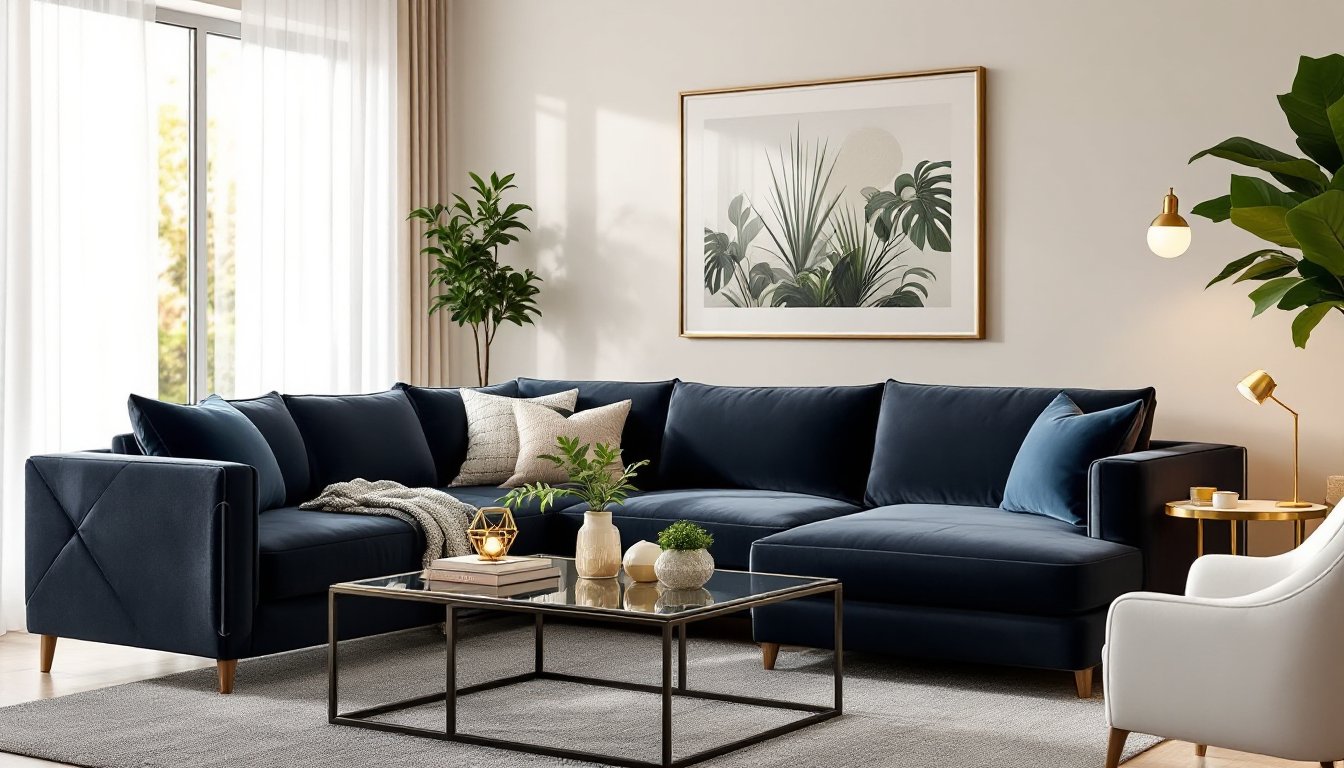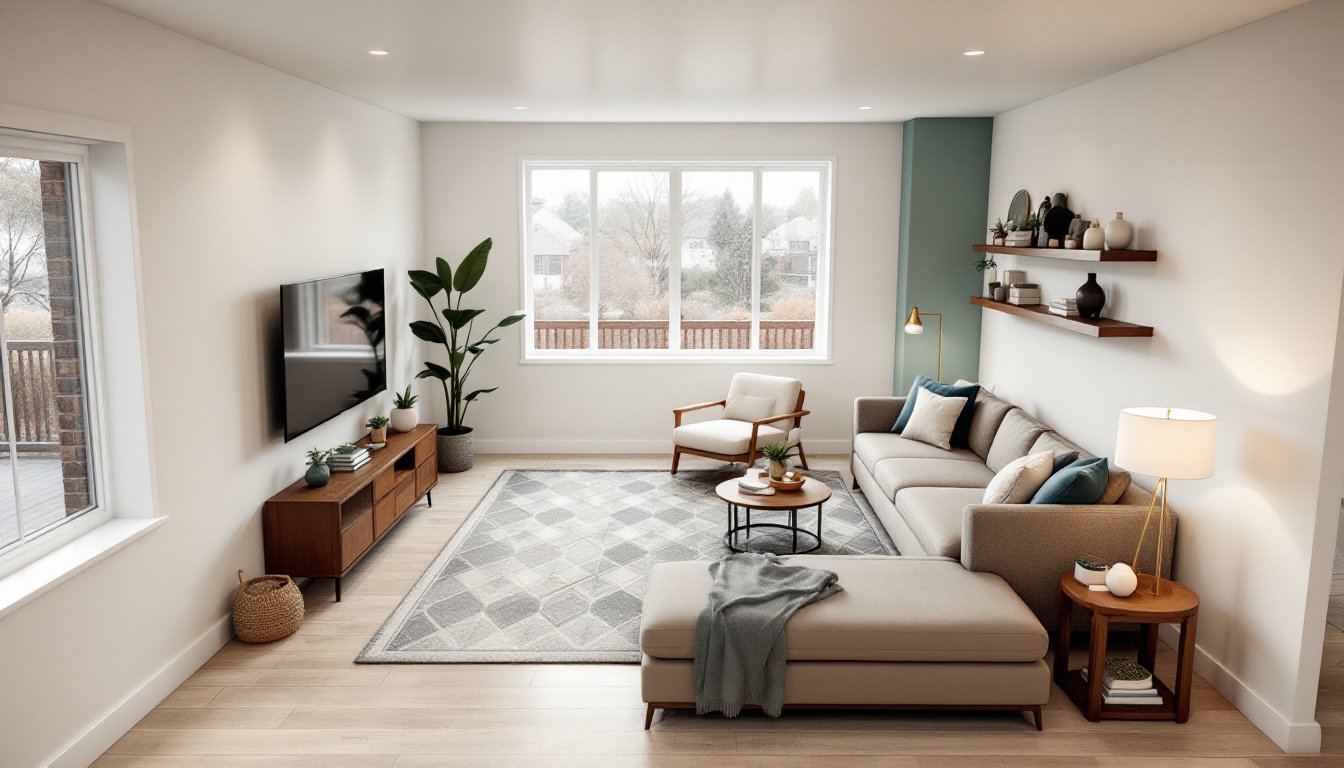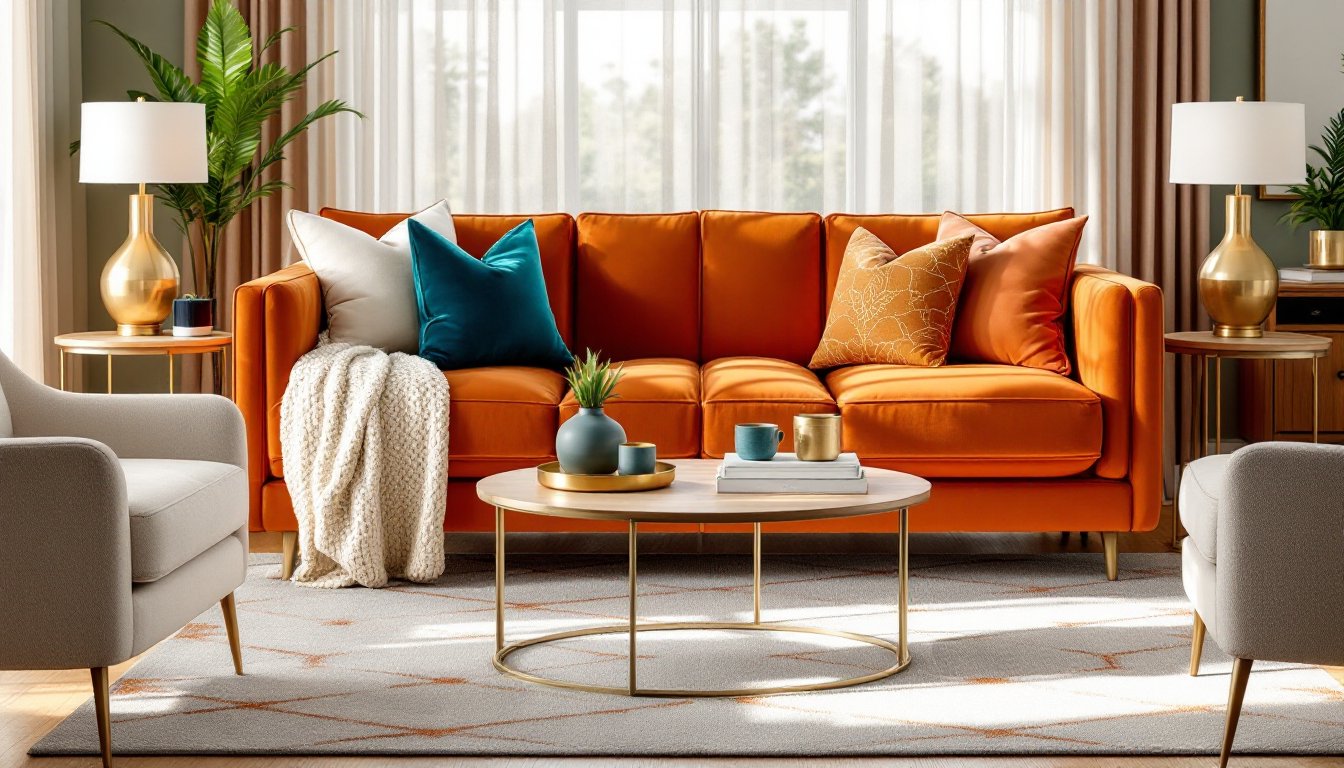
A burnt orange sofa is a bold statement piece that can anchor an entire living room, but pulling it off requires intentional planning. Unlike neutral sofas, a burnt orange sectional or standard couch demands thoughtful color coordination, strategic lighting, and smart accessorizing to avoid looking dated or overwhelming. The good news: when done right, burnt orange living room ideas create warm, inviting spaces that feel sophisticated rather than garish. Whether you’re decorating around an existing sofa or shopping for one, this guide walks you through seven essential strategies to make your burnt orange sofa the stylish centerpiece your room deserves.
Table of Contents
ToggleKey Takeaways
- Burnt orange sofa living room ideas succeed when anchored by neutral wall colors like cream or soft greige that let the sofa dominate without visual overwhelm.
- Pair your burnt orange sofa with complementary accent colors such as teal, forest green, or charcoal gray to create sophistication while maintaining balance.
- Layer your sofa with three to five pillows in cream, taupe, and deep teal, plus a casually draped throw, to soften the boldness and add textural interest.
- Choose warm-toned lighting (2700K) with brass or copper fixtures to enhance the sofa’s warmth, and use dimmers to adjust ambiance throughout the day.
- Ground the seating area with a large 8×10+ area rug in neutral or subtle patterns, ensuring sofa front legs sit on it to create visual cohesion and prevent the space from feeling cramped.
- Arrange furniture with the sofa floating away from walls and balanced by neutral accent chairs and a wood or metal coffee table, maintaining at least 18 inches of clear walkway space.
Complementary Color Schemes That Work With Burnt Orange
The foundation of a successful burnt orange living room starts with color pairing. Burnt orange reads as warm and earthy, it sits between red and brown on the color wheel, so it plays well with creams, warm grays, deep teals, and muted golds.
One proven approach is the warm-neutral palette: cream, off-white, or warm taupe on walls creates breathing room around the sofa without competing for attention. This lets the burnt orange dominate without making the space feel claustrophobic. Another strong option is pairing burnt orange with teal or slate blue accents, the cool tone contrasts beautifully while staying sophisticated. Avoid pairing it with cool grays or pure whites, which can make the sofa feel isolated.
Gold and brass metallic accents amplify the warmth naturally. If you want to layer in a second color, deep forest green or charcoal gray works as a grounding accent wall or furniture piece. The key is restraint: the sofa should remain the visual anchor, with supporting colors playing a secondary role. Think of it like the sofa is the lead instrument in a band, everything else fills in the harmony without overshadowing it.
Styling Your Burnt Orange Sofa With Accent Pieces
Pillows, Throws, and Textiles
Accent pillows and throws are your most accessible way to soften and refine a burnt orange sofa. Rather than matching the sofa directly, layer in contrasting textures and subtle patterns that complement without clashing.
Pillow strategy: Mix pillow sizes, use larger lumbar pillows and smaller accent sizes. Reach for cream, taupe, gold, or deep teal pillows in linen, velvet, or wool blends. A patterned pillow featuring burnt orange with cream or navy backgrounds ties the sofa into the broader room without overdoing it. Aim for three to five pillows per side, depending on your sofa length and proportion.
Throws are equally important functionally and visually. A chunky knit throw in cream or a subtle pattern draped over the sofa arm adds texture and warmth. Linen or cotton blends work well in warm climates: wool or acrylic blends work in cooler regions. Drape it casually rather than folding it neatly, the lived-in look prevents your sofa from feeling like a showroom display.
Textiles matter more than most realize: a rug under the sofa, patterned curtains, or a wall hanging in complementary tones helps ground the burnt orange and prevents it from dominating visually. The variety in texture, velvet, linen, cotton, wool, keeps the eye engaged without visual chaos.
Wall Colors and Finishes for a Balanced Look
Wall color is arguably the second most important decision after the sofa itself. Most designers recommend keeping walls neutral or very soft, this gives the burnt orange room to breathe and prevents sensory overload. A warm white (like ivory or cream) or soft greige (gray-beige blend) provides the ideal backdrop. These colors reflect light and visually expand the space, which is critical since burnt orange absorbs light and can make a room feel smaller if walls are too dark.
If you want more personality, consider a single accent wall. A deep forest green, soft sage, or even a muted warm gray can work, but keep it to one wall directly behind or beside the sofa, not surrounding it. The accent wall should enhance, not compete.
Finish matters too. Matte or flat finishes are forgiving and hide imperfections, while satin or eggshell finishes are more durable for high-traffic living rooms. Avoid high-gloss finishes, which read too formal and reflect light in unflattering ways. If you’re painting yourself, plan for two coats minimum and proper surface prep, any existing glossy finish needs sanding and primer first. Test a color sample on the wall and live with it for a few days under different lighting conditions before committing to a full room.
Flooring and Rug Selection
Flooring anchors the room visually and functionally. Hardwood, whether solid or engineered, works beautifully under a burnt orange sofa. Light to medium wood tones (oak, maple, ash) complement the warmth without competing: darker woods (walnut, cherry) can feel heavy if the room is small. If you have existing hardwood, no changes needed: if you’re considering an upgrade, engineered hardwood is a practical DIY-friendly option that’s more budget-conscious than solid hardwood and handles moisture better in humid climates.
Now, the rug, this is where you ground the arrangement. A large area rug (at least 8×10 feet, preferably larger) should anchor the seating area with the sofa’s front legs sitting on it. Choose a rug in cream, warm gray, or even a subtle geometric pattern featuring the burnt orange tied to neutral tones. Natural fibers like jute, wool, or sisal add texture and warmth: synthetic blends are more durable and easier to clean in households with kids or pets. Avoid small rugs that sit entirely under the sofa, they visually shrink the space rather than anchor it. The rug should extend beyond the sofa into the rest of the seating area so furniture legs rest on it, creating a cohesive zone.
Lighting Design to Enhance the Sofa
Lighting transforms how your burnt orange sofa appears throughout the day. Since burnt orange is warm and slightly dark, the wrong lighting can make it look dull or overly heavy. Conversely, well-planned lighting brings out its richness and creates inviting ambiance.
Layered lighting is essential. Start with ambient lighting, a ceiling fixture or recessed lights that brighten the whole room. This should be on a dimmer switch so you can adjust intensity throughout the day. Add task lighting with table lamps on side tables flanking the sofa: these provide focused light for reading and create visual interest at eye level. Finally, accent lighting from floor lamps or wall sconces positioned near the sofa adds warmth and depth. Opt for warm bulbs (2700K color temperature), which complement burnt orange rather than fighting it. Cool or daylight bulbs (5000K+) can make burnt orange look orange-red and clinical.
Consider the fixture finishes too. Brass, copper, or warm gold metallic fixtures align with the sofa’s warmth. Matte black fixtures add modern contrast. Keep fixtures relatively minimal in design, ornate fixtures fight for attention with the sofa. If your room lacks natural light, maximizing windows with sheer curtains lets in daylight during the day while keeping privacy. A good interior design reference hub like Homedit offers visual examples of how lighting affects color perception in living spaces.
Layout and Furniture Arrangement Tips
How you arrange furniture around the burnt orange sofa determines whether it feels like the thoughtful centerpiece or an awkward focal point. Start by floating the sofa away from the wall rather than pushing it against one. This creates definition and makes the living room feel intentional rather than cramped. Position the sofa facing the TV, fireplace, or a window, somewhere that naturally draws the eye and creates a conversation-friendly layout.
Balance the sofa’s visual weight with secondary pieces. A coffee table in wood or a light-colored metal frame grounds the seating area: glass-top tables keep sightlines open. Pairing the burnt orange sofa with one or two accent chairs in neutral tones (cream, gray, or soft taupe) prevents monotony while respecting the sofa’s dominance. Avoid matching the accent chairs exactly to the sofa, the slight variation in tone and texture creates visual interest. A low console table behind the sofa or a bookshelf to one side adds function and breaks up wall space.
Scaling is critical: oversized furniture in a small room makes everything feel cramped, while tiny furniture in a large room feels lost. Measure your sofa depth, the coffee table height (should be within 1–2 inches of the sofa seat height), and walkway widths before purchasing anything else. Resources like MyDomaine provide layout templates and spacing guidelines for common room sizes. Keep traffic paths clear, aim for at least 18 inches of walking space around furniture. This prevents stubbed toes and makes the space feel open rather than cluttered. If you’re rearranging, test the layout with painter’s tape outlining furniture footprints before moving heavy pieces.