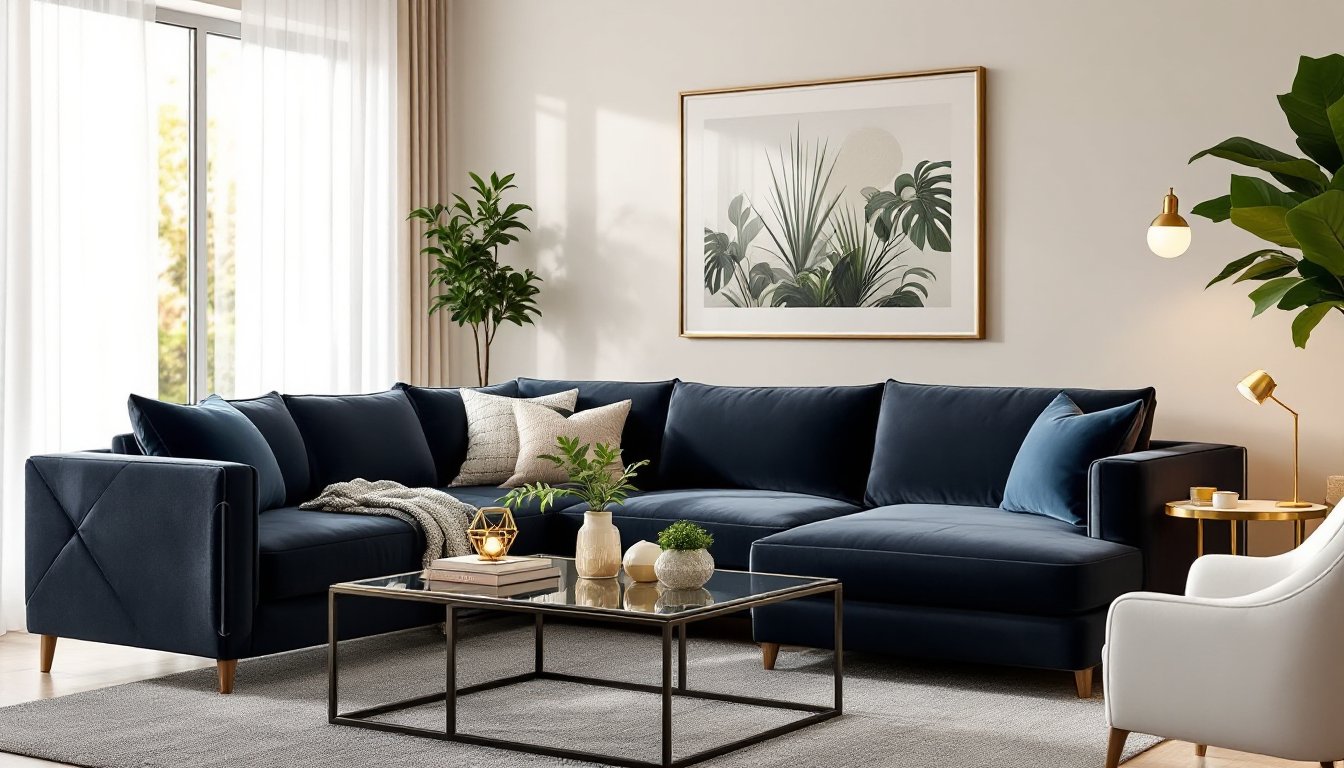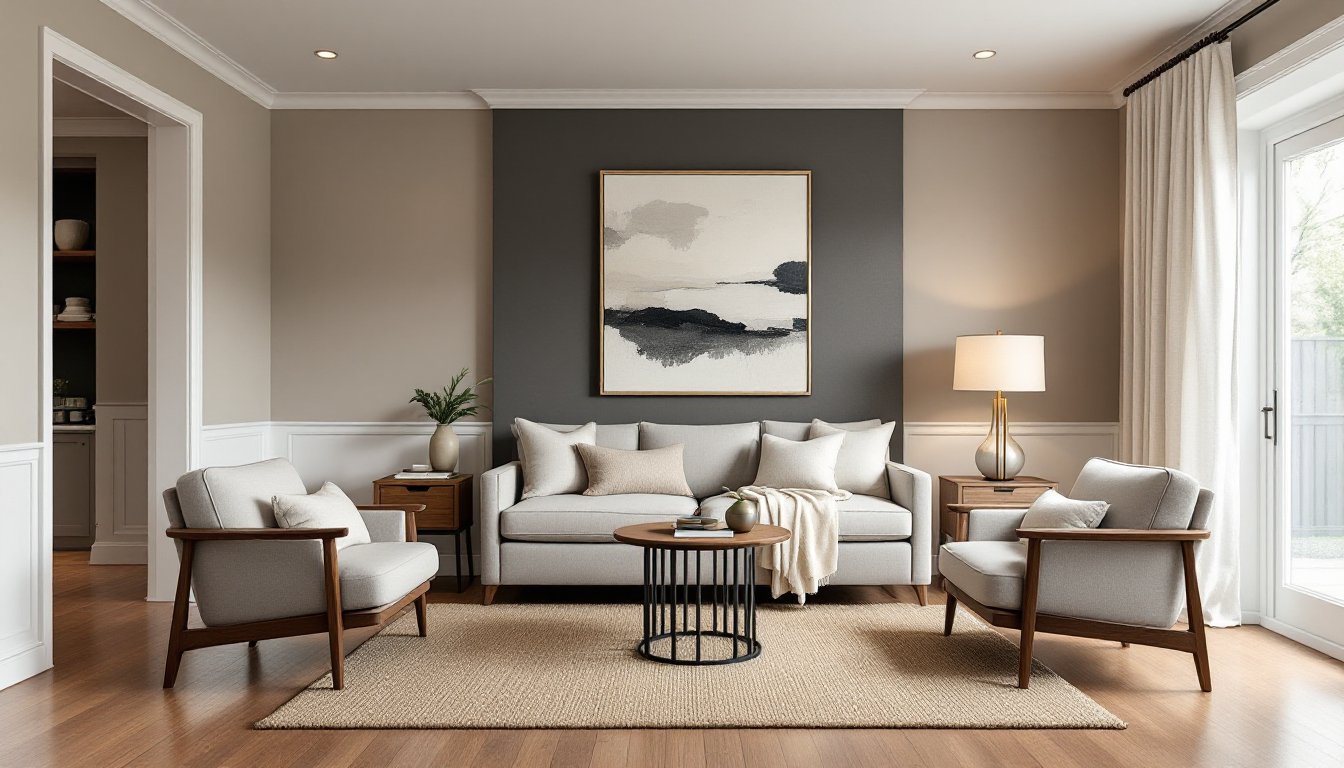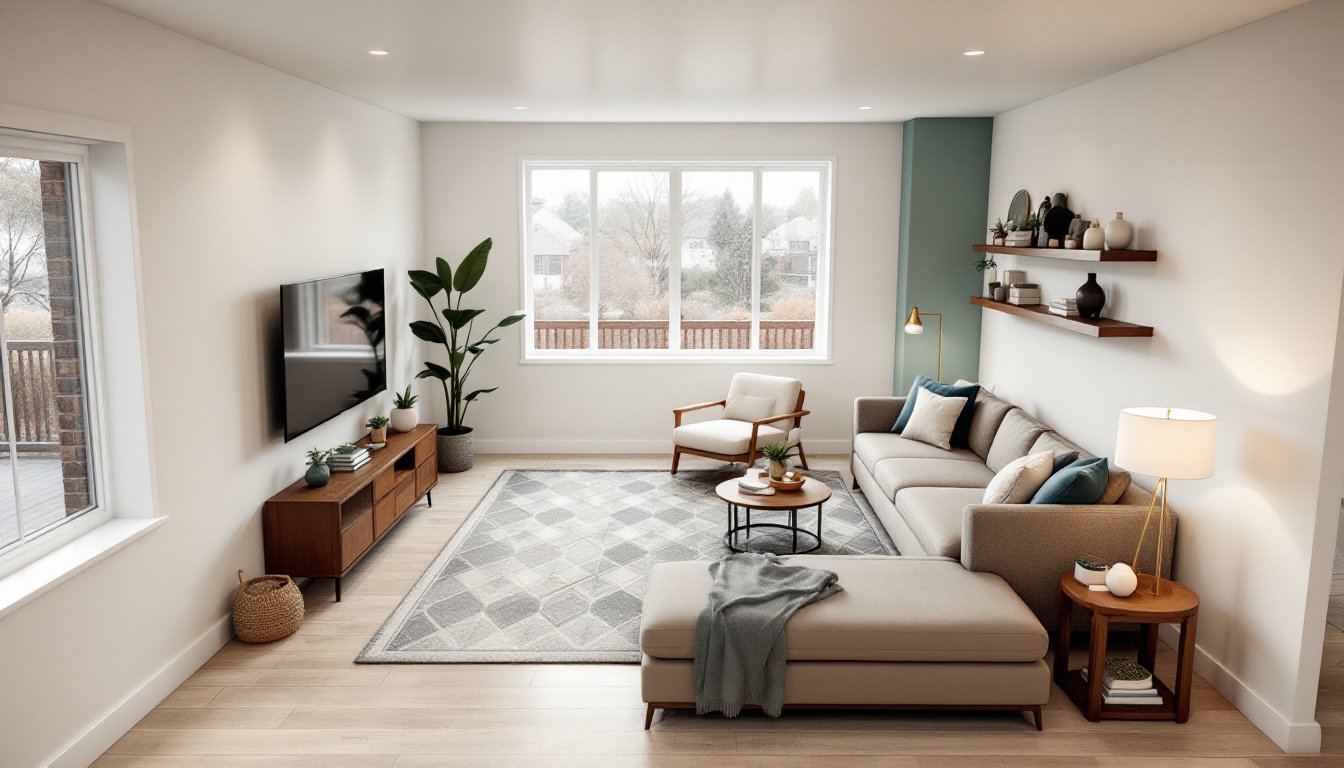
An L-shaped living room presents both opportunity and challenge. You’ve got that corner, that awkward, often-wasted pocket of space that most furniture arrangements struggle to address. But when planned correctly, an L-shaped living room layout becomes your greatest asset, offering flexibility in furniture placement, natural zones for different activities, and genuinely livable square footage. Whether you’re working with a narrow L-shaped living room or a sprawling corner setup, the difference between feeling cramped and feeling spacious comes down to intentional design choices. This guide walks you through the fundamentals, from understanding your room’s unique shape to avoiding the mistakes that turn corners into dead zones.
Table of Contents
ToggleKey Takeaways
- An L-shaped living room layout naturally creates two connected zones that offer flexibility in furniture placement and psychological separation without requiring walls, making small spaces feel less cramped and large rooms more purposeful.
- Measure both arms of your L-shaped living room accurately and sketch to scale before purchasing furniture to prevent costly mistakes and ensure smooth traffic flow throughout the space.
- Position your main sofa along the longer wall facing the focal point with 6–8 inches of clearance from the corner, then anchor the second arm with perpendicular seating (accent chair or loveseat) and a bridging coffee table to create a cohesive conversation grouping.
- Balance floating furniture with wall-mounted pieces in a narrow L-shaped living room layout: float seating to define zones and use wall-mounted shelves and storage to maximize vertical space without cluttering the floor.
- Use area rugs, color variation, and layered lighting to create distinct zones between the entertainment arm and secondary activities, ensuring both zones feel intentional and connected rather than separate or forgotten.
- Avoid common mistakes like pushing furniture to edges, over-rotating pieces, undersizing rugs, or blocking sightlines—the corner should feel integrated and traffic flow must remain clear through both arms.
Understanding L-Shaped Living Rooms
An L-shaped room is literally two rectangular spaces joined at a right angle. One wall runs in one direction, then turns 90 degrees and continues. This isn’t just a quirk of architecture, it’s a structural reality that demands respect during layout planning.
The key is recognizing that you don’t have one unified space: you have two connected zones. A narrow L-shaped living room layout, common in older homes and apartments, amplifies this effect. One arm might measure 12 feet wide by 18 feet deep, while the other runs narrower, say, 10 feet by 15 feet. That corner transition is where most people stumble.
Before placing a single piece of furniture, measure both arms accurately. Note ceiling height, window placement, electrical outlets, and any structural columns or alcoves. Sketch it to scale on graph paper or use a free online room planner. This ten-minute exercise prevents buying furniture that won’t fit or arranging pieces that block traffic flow.
Why L-Shaped Layouts Work
L-shaped rooms excel because they naturally create separate activity zones without walls. You can watch TV in one arm while someone reads or works in the other, and both feel semi-private. This spatial psychology matters, it makes small rooms feel less cramped and large rooms feel more purposeful.
The layout also offers flexibility with traffic flow. Unlike a rectangular room where foot traffic must cross the central seating area, an L-shape lets people move around the perimeter, keeping the seating zones undisturbed. If you host guests regularly or have kids moving through the space constantly, this matters.
From a decorating perspective, the corner itself, often an afterthought in rectangular rooms, becomes a design feature. You can anchor it with a large plant, a console table, a reading nook, or even a modest shelving unit. Many homeowners discover their L-shaped living room actually offers more usable surface area and layout options than a traditional square or rectangular room of the same total footage.
Furniture Arrangement Strategies
Start with your largest piece, usually the sofa. In an L-shaped room, position the sofa along the longer wall of one arm, oriented to face the natural focal point (TV, fireplace, or view). Don’t shove it into the actual corner: leave at least 6–8 inches of clearance for air circulation and cleaning.
Next, anchor the second arm. Many people place a secondary seating piece, accent chair, loveseat, or chaise, along the opposite wall, perpendicular to the main sofa. This creates an L-shaped conversation grouping that mirrors the room itself. A coffee table or ottoman bridges the gap, pulling the two seating areas into one cohesive zone.
For narrow L-shaped living room layouts, avoid oversized furniture. A sectional might seem intuitive, but a sectional fills a narrow L aggressively and can make the space feel enclosed. Instead, opt for a loveseat and a pair of accent chairs, or a standard sofa paired with a single, moveable chair that you can reposition as needed.
Keep the corner clear unless you’re placing a dedicated piece there, a slim console, bookshelf, or plant stand. Don’t block sightlines across the corner: open sight lines make even small spaces feel larger.
Floating Furniture vs. Wall-Mounted Pieces
Floating furniture means pulling pieces away from walls into the room’s center. This approach works well in L-shaped layouts because it defines each zone more clearly and can make an awkward space feel intentional. A floating sofa in the main seating area, paired with a floating accent chair in the corner arm, creates two distinct mini-zones without feeling disconnected.
Wall-mounted pieces, console tables, narrow desks, or shelving, are ideal for the walls between furniture groupings. They keep the floor open and work especially well in narrow L-shaped layouts where floor space is limited. If your room is tight, use wall-mounted shelves above a floating chair or reading nook to maximize vertical space without cluttering the floor.
Mix both approaches. Float your seating for psychological comfort and zone definition, then use wall-mounted storage and display pieces to complete the layout. This balance feels spacious, functional, and intentional, not sparse or cluttered.
Creating Distinct Zones
Use your L-shape to create functional zones instead of fighting it. One arm becomes the entertainment zone (sofa, TV, media console). The other becomes your secondary zone: a reading nook, a work-from-home corner, a gaming area, or a formal dining transition.
Define zones with color, lighting, or area rugs. An area rug doesn’t have to cover the entire seating grouping: even a 4×6 or 5×7 rug anchors a conversation area and separates it visually from the adjacent zone. Choose a rug color that ties to your overall palette but feels distinct enough to mark the boundary.
In a narrow L-shaped living room layout, zone definition is essential. Without it, a narrow space can feel like a hallway. A smaller area rug, a side table, and focused lighting in the secondary arm signal that it’s a separate, purposeful space, not just leftover room. Resources like home decor inspiration on Homedit offer zone ideas for various room shapes and sizes.
Consider a low-profile room divider, half-wall shelf, or even a tall plant as a soft boundary between zones if the layout feels too open or you need acoustic separation. Just don’t use a full wall, that defeats the purpose of an L-shape’s psychological continuity.
Lighting and Color Choices for L-Shaped Spaces
Lighting becomes critical in an L-shaped room because each arm may have different natural light exposure. The arm with a south-facing window stays bright: the other might feel dim. Use artificial lighting to balance this.
Install ambient overhead lighting in both arms, recessed cans or a fixture in each zone. Add task lighting (a table lamp on a side table, a reading light over the secondary seating area) for the darker arm. Layer in accent lighting: a wall sconce above a console, LED strips behind floating shelves, or a floor lamp in the corner to draw the eye and brighten dead space.
Color should create flow without monotony. A narrow L-shaped living room layout benefits from light wall colors (warm white, soft gray, pale blue) to open up the space, but you can introduce depth with an accent wall in the corner, the transition point. This draws the eye, makes the corner feel intentional, and doesn’t make the room feel smaller if done thoughtfully.
Use a consistent base palette (neutrals on walls, natural wood or metal accents) but vary tone and texture between zones. The entertainment zone might feel slightly warmer and more saturated: the secondary zone can be cooler and calmer. Resources like apartment living ideas from Apartment Therapy explore how color and light shape small spaces psychologically. This cohesive-but-distinct approach makes both arms feel connected yet separate.
Avoiding Common Layout Mistakes
Mistake 1: Ignoring the corner. Pushing all furniture to the edges leaves the corner looking abandoned. Even a narrow L-shaped living room layout benefits from anchoring the corner with something intentional, a tall planter, a reading chair, a slim console with décor objects. The corner should feel integrated, not forgotten.
Mistake 2: Over-rotating furniture. Some people angle every piece toward the corner, thinking it unifies the space. This actually fragments it. Angle the sofa naturally (a 45-degree angle is fine for conversation), but keep secondary pieces aligned to the walls. The structure supports the room rather than fighting it.
Mistake 3: Floating everything. The opposite error: floating every piece creates visual chaos and wastes the advantage of wall space. Use walls strategically, they’re not enemies: they’re guides. Wall-mounted shelves, mounted TV, and furniture backed against walls create calm.
Mistake 4: Undersizing or oversizing the rug. An area rug should anchor the seating grouping, not drown it or fall short. For a seating area, aim for a rug large enough that the front legs of main pieces sit on it, typically 8×10 or 9×12 for standard living room seating. In narrow L-shaped layouts, a 5×8 or 6×9 rug sized to the secondary zone works perfectly.
Mistake 5: Neglecting traffic flow. Leave a clear path from the entryway through both arms. Furniture shouldn’t block sight lines or force people to navigate around seating. In tight spaces, this is even more critical. A narrow L-shaped living room layout with blocked sightlines feels truly cramped, even if the actual square footage is decent.
Consult real-world examples before committing. Forum discussions about large L-shaped living room layouts on Houzz include photos and feedback from people who’ve actually solved these challenges.