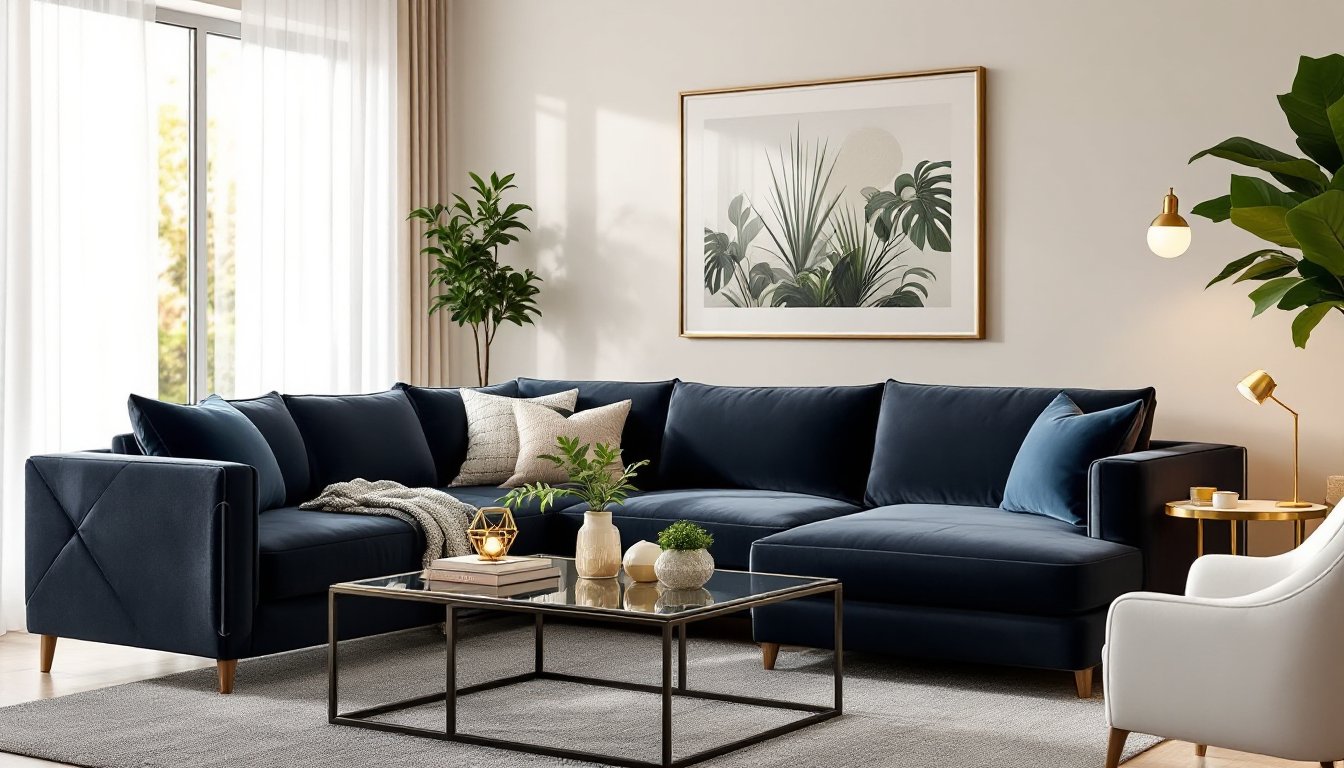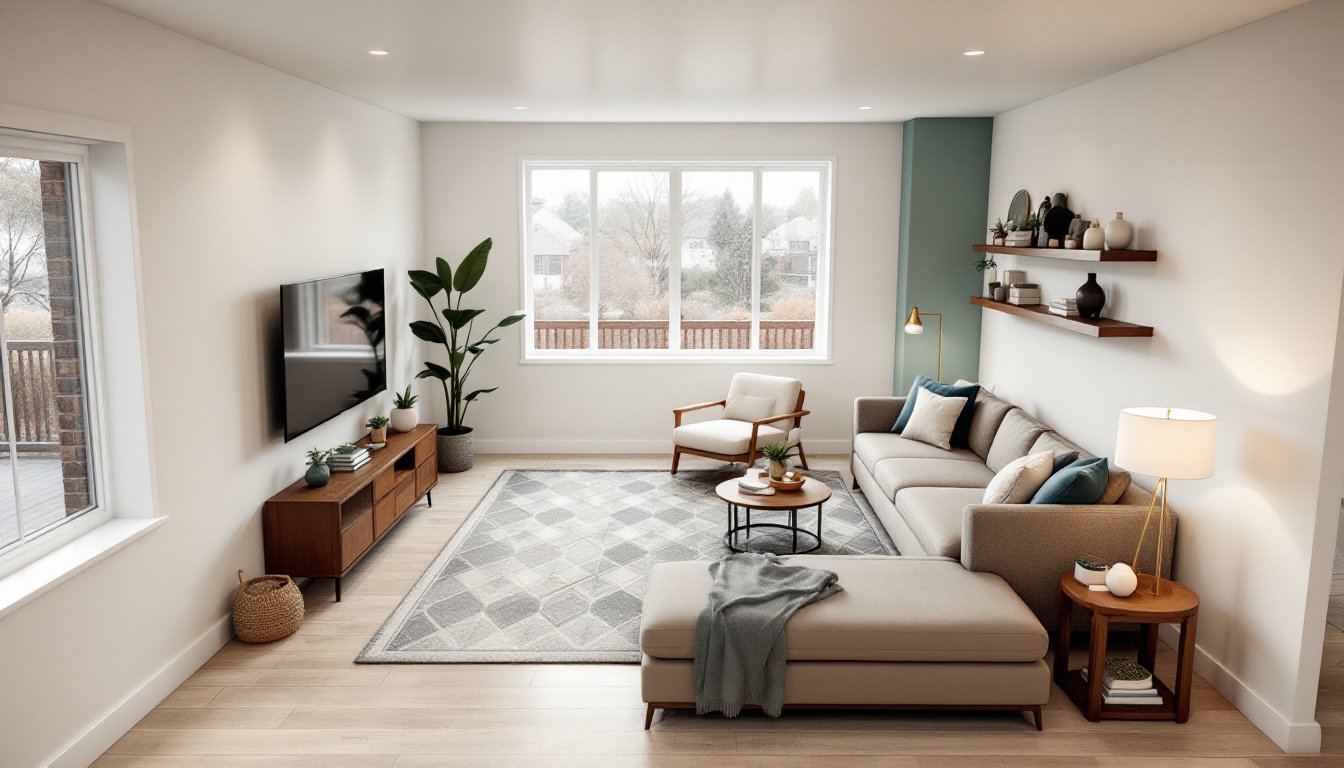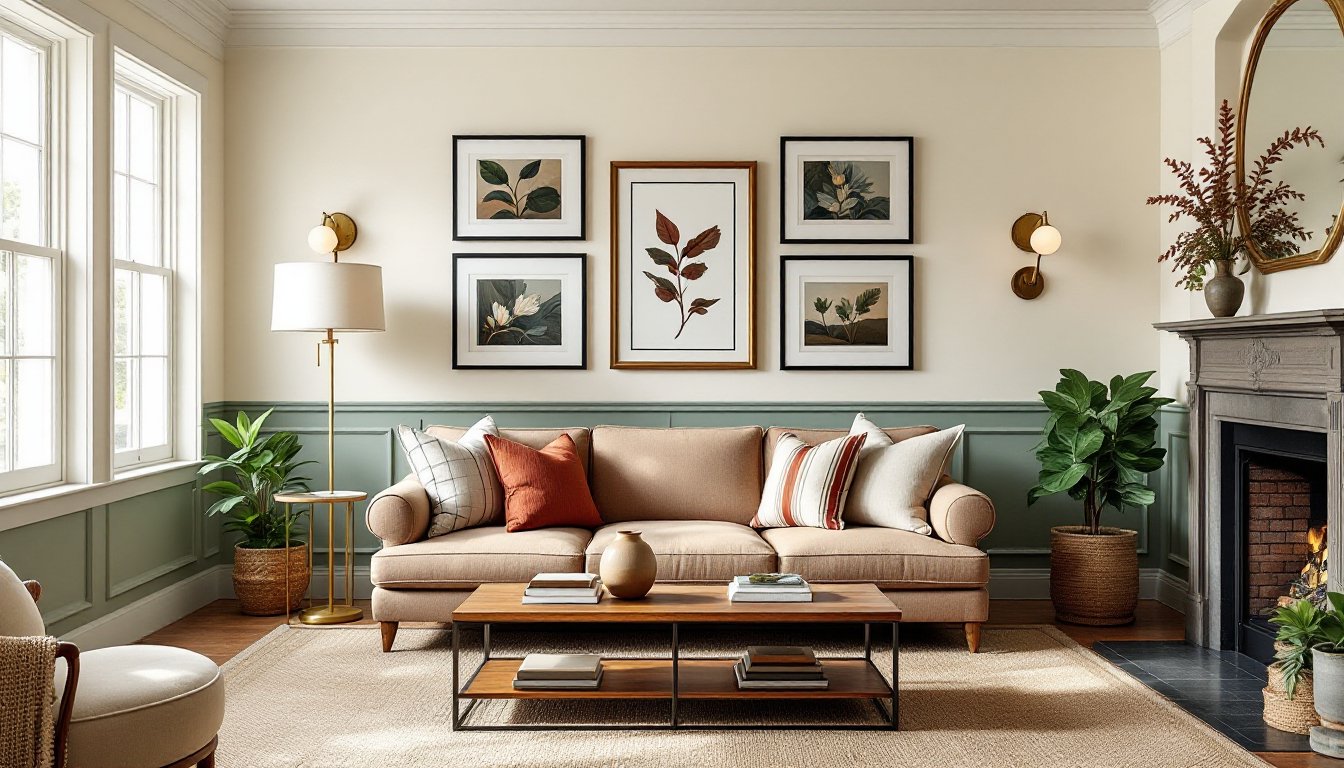
A classic living room doesn’t follow fleeting trends, it outlives them. Whether you’re starting from scratch or refreshing a dated space, building a traditional living room decor foundation means investing in color, materials, and design principles that work together for decades. The good news? You don’t need a designer or a six-figure budget. This guide walks you through timeless ideas that’ll keep your living room feeling fresh, inviting, and genuinely livable without chasing every Pinterest trend that comes along.
Table of Contents
ToggleKey Takeaways
- Classic living room ideas prioritize timeless color palettes with neutral bases (cream, soft gray, warm taupe) paired with deeper accents to create depth without following fleeting trends.
- Natural fabrics like wool, linen, cotton, and leather age beautifully and outlast cheaper polyester alternatives, making them better long-term investments for quality furniture and upholstery.
- Layered lighting—combining ambient, task, and accent lights with warm white bulbs (2700K)—creates the inviting atmosphere essential to a classic aesthetic and prevents harsh, dated shadows.
- Architectural details like quality baseboards, crown molding, and wainscoting anchor the room’s elegance and can be achieved with reproduction materials at a fraction of restoration costs.
- Intentional texture layering through mixed fabrics, rugs, art, and curated accessories adds character and depth without visual chaos or overcrowding.
- Invest in hardwood-frame sofas with high-density foam and removable cushions rather than particle board construction to ensure your classic living room foundation lasts decades.
Timeless Color Palettes for Elegant Living Spaces
Start with color, because it’s the backbone of any classic living room. Think cream, warm white, soft gray, and warm taupe, these neutral base colors give you a stable foundation. Pair them with deeper accents: deep charcoal, navy, forest green, or rich brown. This two-tier approach gives depth without feeling trendy.
The trick is avoiding pure white, which can feel cold and clinical. Instead, go for off-white shades with warm undertones (ivory, cream, or greige, that’s gray-plus-beige blend). These make a room feel inviting rather than sterile.
Accent colors are where personality emerges. A jewel tone like emerald or sapphire adds sophistication. Warm terracotta or burnt orange brings earthiness. The rule: choose one accent color and use it in your upholstery, artwork, or accessories rather than painting an entire wall. This keeps the room grounded and prevents visual chaos.
When it comes to wall color, many homeowners mistakenly paint all four walls. For a classic look, consider two-tone walls: paint the lower third or lower half in a slightly darker shade than the upper walls. This creates architectural interest and is historically inspired by traditional wainscoting. You’ll need quality interior paint, plan for two coats on most surfaces, and use a primer if covering darker colors or glossy finishes. Standard coverage is 350 square feet per gallon.
Natural Fabrics and Quality Furnishings
Classic living rooms rely on natural materials that age beautifully: wool, linen, cotton, and leather. These breathe, wear with character rather than looking worn-out, and actually cost less over time because they last. Polyester blends might be cheaper upfront, but they pill, flatten, and look tired within five years.
When shopping for a sofa, the room’s anchor piece, look for hardwood frame construction (check by lifting it or asking the retailer). Avoid particle board frames: they warp and fail. Cushion quality matters too. High-density foam wrapped in natural fiber batting outperforms cheap foam that compresses within months. Eight-way hand-tied springs or sinuous spring systems both work well: whatever the system, make sure cushions are removable and washable if the fabric allows.
Selecting Durable Upholstery Materials
For upholstery, wool blends are unbeatable. They’re naturally stain-resistant, durable, and warm. Linen is equally classic but requires more care (it wrinkles deliberately, which some love and others find fussy). Cotton is softer but stains more easily. Leather, whether full-grain or top-grain, develops a patina over time that looks intentional and sophisticated.
Avoid microfiber unless it’s specifically a performance blend designed to repel liquids. Standard microfiber is petroleum-based, traps odors, and deteriorates under UV light. If budget is tight, a quality cotton-blend upholstery rated for moderate wear (500–750 Martindale rating, a durability standard) works fine for a living room that isn’t heavily used.
Test fabrics in your lighting. Bring samples home: store-lighting is deceptive. A swatch that looks perfect under showroom halogen can look drab in your north-facing room. Natural lighting changes the perceived color and texture dramatically. Interior design ideas and, which offers detailed material comparisons and brand reviews.
Lighting That Sets the Classic Mood
Poor lighting kills a classic room faster than anything else. A single overhead fixture casts harsh shadows and feels dated. Instead, layer three types: ambient (general room light), task (reading, game tables), and accent (highlighting artwork or architectural features).
For ambient light, consider a flush-mount or semi-flush fixture with warm white bulbs (2700K color temperature, this feels inviting, not clinical). A dimmer switch is non-negotiable: it lets you adjust mood without rewiring. If your room doesn’t have a center fixture or you’re renting, a ceiling-mounted track system with adjustable spots does the job and installs in an afternoon.
Task lighting means floor or table lamps beside seating. Choose lamps with solid brass, bronze, or carved wood bases, these materials age well and look intentional. Shades matter: linen or silk diffuse light softly: avoid thin fabric that shows the bulb. Wattage should be high enough to read by (40–60 watts for a table lamp in most rooms, depending on shade thickness and room size).
Accent lighting highlights architecture, art, or focal points. Picture lights above paintings, wall sconces flanking a fireplace, or recessed spots angled at shelving create depth and visual interest. Warm white LEDs (2700K) feel classic: avoid cool daylight temps (5000K+) unless highlighting white artwork.
Always use warm white bulbs (2700K). This single choice makes or breaks the atmosphere. Cool white bulbs (3000K and higher) feel institutional and make fabrics look gray.
Creating Balance With Architectural Details
Architectural elements give a room soul. Baseboards, crown molding, wainscoting, and fireplace surrounds anchor a classic aesthetic. You don’t need original plasterwork: quality reproduction trim (MDF or hardwood) mimics the real thing at a fraction of the cost.
If your room lacks detail, adding 3- to 5-inch baseboards is the quickest upgrade. Standard baseboard installs with a nail gun and quarter-round at the floor. Paint it a shade darker than walls or keep it white for contrast, either looks classic. Crown molding (typically 3–5 inches, depending on ceiling height) costs more but transforms the room’s proportions instantly. Hire a trim carpenter unless you’re comfortable with miter cuts and coping saws: mistakes are visible and expensive to fix.
Wainscoting, paneling the lower third or half of walls, is having a moment and will outlast trends because it’s historically rooted. Beadboard wainscoting, shiplap, or raised-panel styles all work. If DIY-ing it, plan for blocking (horizontal 1×6 or 1×8 support studs) at 16 inches on-center. This provides a base for fastening panels and ensures longevity.
A fireplace, even if not functional, anchors the room. Surrounding it with quality millwork, columns, a mantel, or paneled surround, creates a focal point. If the existing surround is damaged, resurface it with tile, stone, or paneling. Stylish living room ideas, offering inspiration for high-impact upgrades.
Layering Textures and Accessories for Depth
Once furniture and color are locked, texture does the heavy lifting. Mix smooth surfaces (leather, polished wood) with rough ones (linen, jute, raw wood). A thick wool rug under the sofa grounds the room: layering a smaller woven jute rug underneath adds depth and breaks up hard flooring.
Wall art doesn’t need to be expensive. A gallery wall of framed prints, black-and-white photography, or a single large piece creates focus. Frame art consistently, same frame style, mat color, for cohesion. Oil paintings, botanical prints, or architectural drawings feel timeless: avoid posters without proper framing.
Accessories finish the story: ceramic vessels, brass candleholders, leather-bound books, and wooden bowls add character. Avoid overcrowding: a few curated pieces beat shelves packed with trinkets. Style a coffee table with a coffee table book, a small plant, and a tray for remotes, this creates order while looking intentional.
Throw pillows should match your upholstery in quality. Mix patterns (stripe with floral) but keep a color thread running through them. Throws over sofas and chairs invite use and add layered texture. Wool, linen, and cotton throws last decades: cheap polyester fleece pills and fades.
Green plants bring life without trying. Large fiddle leaf figs, rubber plants, or classic parlor palms fit the aesthetic. They clean air, soften hard corners, and genuinely improve how the room feels. Don’t overthink it: a few strategically placed plants in quality pots beats a jungle of struggling plants.
Luxury interior design and, offering inspiration for elevating traditional living room spaces.
Conclusion
Building a classic living room means choosing quality over quantity, then letting time do the aging. Invest in real materials, neutral bones with strategic accent colors, and thoughtful lighting. Skip the trends, embrace architectural detail, and layer textures intentionally. The result? A room that feels as good in 2030 as it does today.