A cream couch is one of those pieces that seems risky at first, will it show stains? Will it feel boring? The truth is, a cream or off-white sofa is the workhorse of living room design. It’s neutral enough to pair with virtually any color palette, durable enough for real living, and sophisticated enough that it doesn’t date quickly. Whether you’re building a fresh living room from scratch or refreshing the one you’ve got, cream couch living room ideas give you flexibility to experiment without overcommitting to trend-heavy colors. This guide walks through seven proven design approaches, from minimalist to farmhouse to eclectic, so you can see which direction resonates with your home and your lifestyle.
Table of Contents
ToggleKey Takeaways
- A cream couch living room provides a sophisticated neutral foundation that works with any color palette, making it durable and timeless without dating quickly.
- Cream-colored upholstery actually hides dust and pet hair better than darker fabrics, especially when paired with performance-grade materials and prompt stain treatment.
- Modern minimalist, warm farmhouse, and eclectic bohemian designs all showcase how cream couches adapt to different styles through intentional texture layering and color choices.
- The 60-30-10 color rule (60% neutral, 30% secondary color, 10% accent) creates balanced, sophisticated cream couch living rooms without visual chaos.
- Layering textures—mixing wool, linen, leather, and woven fibers—prevents a cream-colored room from feeling sterile and allows each element to stand out distinctly.
- Start with neutral walls and test accent colors using pillow covers or paint samples before committing, since cream couches give you time to experiment and refine your design.
Why Cream Couches Are the Perfect Neutral Foundation
A cream sofa living room acts as a blank canvas. Unlike bold colors that demand everything around them to complement (or compete with) them, cream absorbs the rest of your design choices and lets them shine. It’s warm enough to feel inviting, not cold like pure white, and light enough to reflect natural light and make a room feel bigger.
Cream also performs better than you’d expect. Lighter-colored upholstery fabrics actually hide dust and pet hair more effectively than darker tones: what shows up is lint and dust you’d see anyway. Microfiber and performance blends designed for living rooms handle spills and daily wear without showing grime as quickly as cheaper fabrics. The key is choosing a performance-grade fabric if you have kids or pets, and treating stains promptly with a good upholstery cleaner.
Modern Minimalist: Clean Lines and Understated Elegance
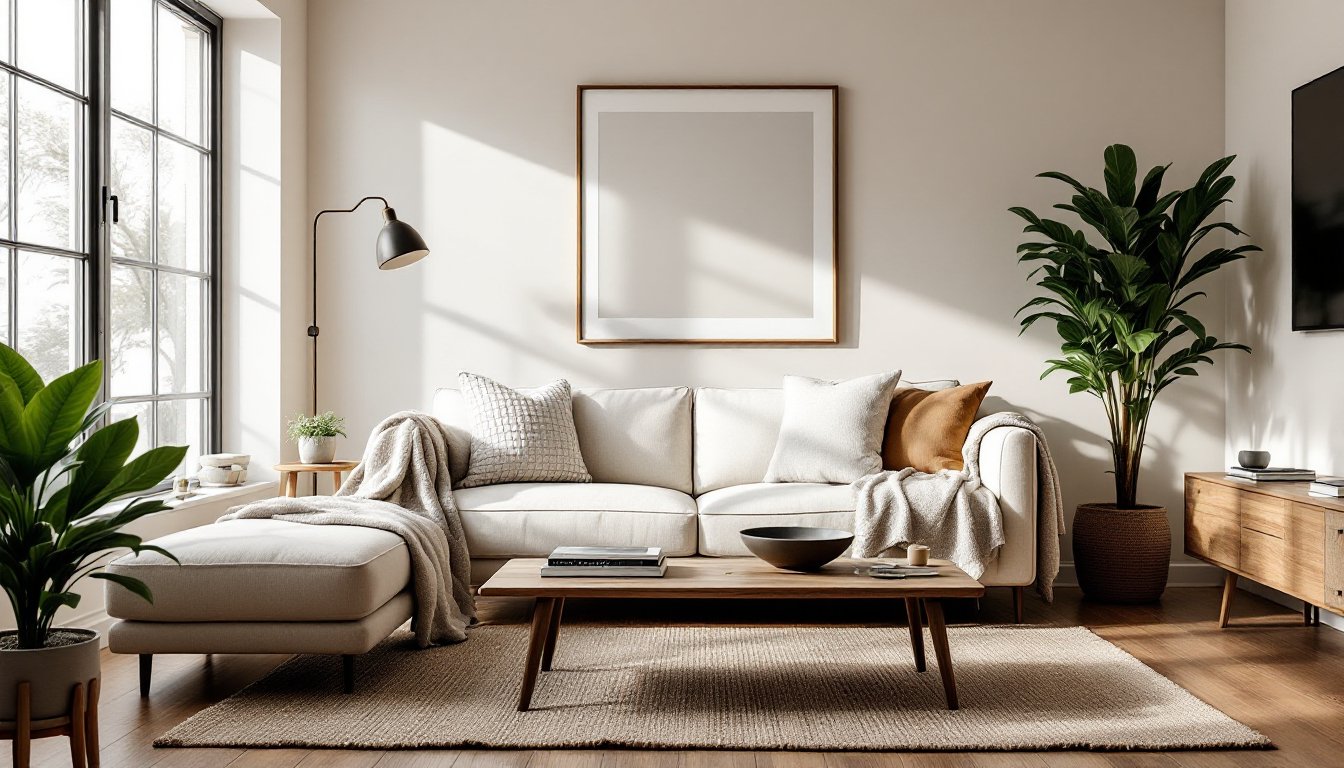
Modern minimalist design pairs a cream sofa with simplicity, fewer objects, intentional spacing, and restrained color palettes. Pair your cream couch with soft grays (warm greige works especially well) and white walls. Furnish with a low-profile media console, one or two accent chairs in natural wood or leather, and very little wall decor.
The goal is breathing room. A modern minimalist living room feels calm because your eye isn’t overwhelmed. Add a natural jute or wool area rug in cream or warm taupe under the sofa grouping, it grounds the seating without adding visual clutter. Keep lighting simple: recessed fixtures or a single sculptural floor lamp. A few carefully chosen accessories, a stack of design books, one potted plant, a small ceramic bowl, are enough. This approach is particularly effective in smaller spaces where every piece of furniture needs to earn its place.
Warm Farmhouse: Cozy Textures and Natural Accents
Farmhouse style is inherently warm, and a cream couch sits at the heart of it. Build around your sofa with natural wood elements, a reclaimed-look coffee table, wooden shelving, or a shiplap accent wall. Pair the cream upholstery with soft whites, warm grays, and soft blacks for contrast.
Farmhouse relies on texture to avoid feeling flat. Throw a chunky knit blanket over the arm of the sofa. Layer in linen or burlap pillows. An area rug in jute, wool, or a traditional pattern grounds the space. Designers at interior design resources frequently recommend balancing minimalism with warmth in farmhouse rooms, add a few vintage or vintage-looking metal accents (a old barn light, a galvanized metal tray) and incorporate open shelving to display books, pottery, or decorative baskets. The look feels lived-in and approachable, not staged.
Layering Textures for Depth
Layering textures is what prevents a cream-colored room from feeling sterile. Mix different weaves and materials: pair smooth cream upholstery with a rough linen pillow cover, add a smooth wooden side table next to a woven basket. Incorporate at least three different textures within view of the sofa. Wool, cotton, linen, leather, wood, and woven fibers all work together. The cream base lets each texture read clearly instead of competing.
Eclectic Bohemian: Pattern and Color Combinations That Work
Eclectic design breaks the “match everything” rule. A cream sofa grounds a room where patterns, colors, and eras coexist purposefully. Pair your cream couch with jewel tones, mustard, deep teal, terracotta, or burgundy, in pillows, throws, or wall art. Layer in patterned rugs (a kilim or Moroccan design adds authenticity) and plants everywhere.
The secret to pulling this off is repetition and balance. Use a color twice to tie the room together, if you bring in mustard pillows, echo that tone in a wall hanging or a ceramic piece. Keep the walls soft (cream, warm white, or a soft sage) so the furniture and accessories can take center stage. This approach works beautifully with vintage finds from thrift stores or family pieces, so your room tells a story rather than looking like a showroom. Resources like interior design guides showcase how bohemian spaces thrive on personal touches and collected-over-time aesthetics, not cohesive purchases.
Practical Color Pairing: Wall Colors, Rugs, and Accents
Choosing wall colors, rugs, and accent pieces around a cream sofa is more straightforward than it feels. Start by identifying the undertone of your cream fabric (warm or cool). If it leans warm, avoid cool-toned wall colors like blue-grays: pair instead with warm whites, warm grays, warm taupe, or soft sage. If your cream is cooler, it pairs beautifully with soft blue-grays, cool whites, or pale greens.
For rugs, layering is your friend. A neutral base rug (wool or jute in cream, taupe, or warm gray) under the sofa anchors the grouping, then you can add a smaller patterned accent rug or a vintage runner for visual interest. Accent colors, through pillows, throws, artwork, and lighting, should follow the 60-30-10 rule: 60% neutral (your cream sofa plus walls), 30% secondary color (one or two supporting tones), and 10% accent colors (pops of brightness). Publications like home design inspiration frequently feature rooms that balance neutrals with strategic color to create depth and interest without chaos.
When in doubt, start with a neutral scheme, then test accent colors with pillow covers or paint samples on your walls before committing. Cream is forgiving, you have time to experiment and refine.
Conclusion
A cream couch living room offers flexibility, sophistication, and practicality. Whether your instinct leans minimalist, farmhouse, eclectic, or something in between, a cream sofa is a solid foundation that won’t limit your options. The design works because it steps back and lets the rest of your choices, colors, textures, patterns, and personal pieces, take the spotlight. Start with the style that resonates most with you, then layer in details that reflect how you actually live. Your living room will feel more thoughtfully designed and more authentically yours.