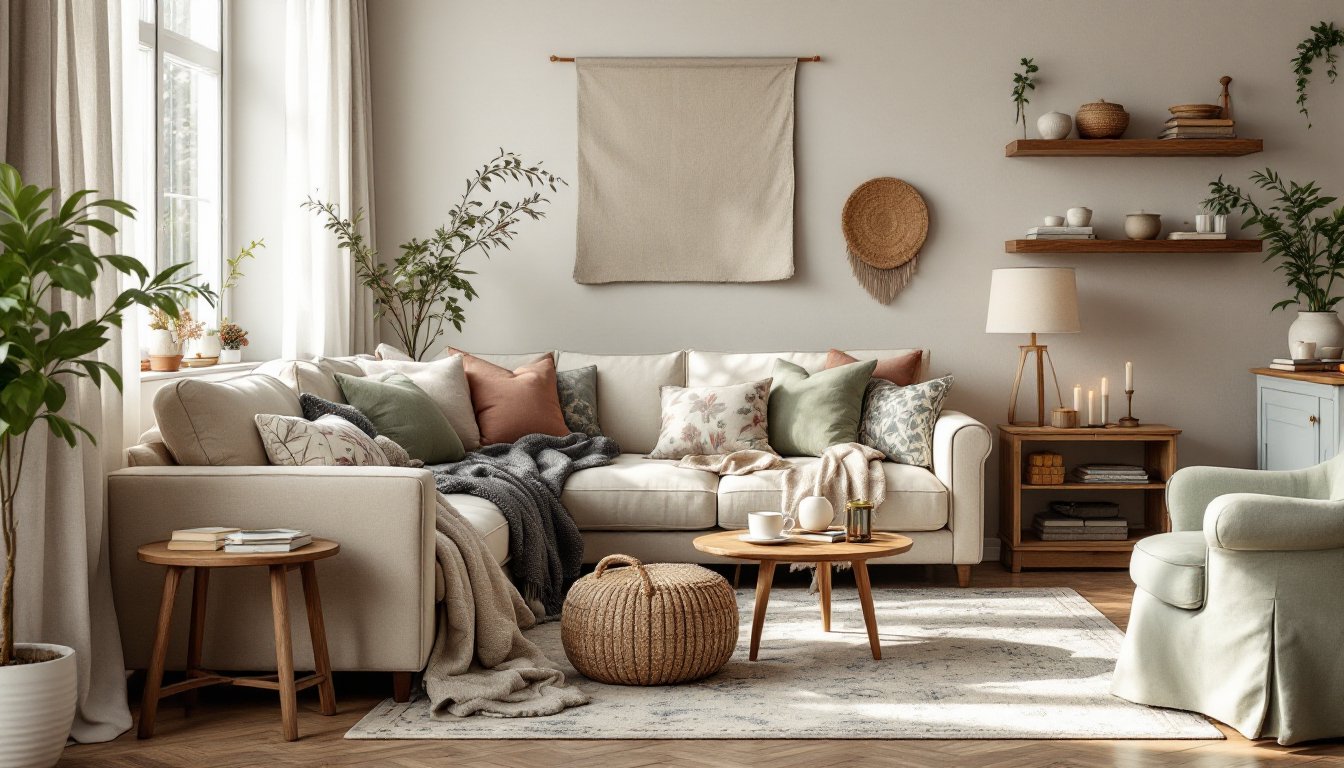
Cottagecore living room design has moved beyond Pinterest boards into genuine home transformations. This aesthetic celebrates rural charm, comfortable simplicity, and a slower pace of living, and it’s perfect for anyone tired of sterile minimalism. Whether you’re drawn to weathered wood, vintage finds, or the idea of a space that feels like stepping into a storybook, modern cottagecore living room concepts blend nostalgia with practical, livable design. The appeal isn’t just visual: it’s about creating a sanctuary where friends gather, books pile up beside worn armchairs, and nothing needs to match perfectly. This guide walks you through the core design principles, color strategies, and hands-on projects that make a cottagecore living room feel authentically yours.
Table of Contents
ToggleKey Takeaways
- Cottagecore living room ideas prioritize comfort, character, and imperfection over mass-produced perfection, blending vintage finds with modern conveniences for genuinely livable spaces.
- Use a neutral foundation color (warm white, soft greige, or pale sage) paired with three main accent colors drawn from nature, such as forest green, terracotta, or dusty blue, to create a warm and inviting cottage aesthetic.
- Layer your lighting with ambient, task, and accent sources using warm 2700K fixtures like brass or ceramic fixtures rather than modern chrome, and maximize natural light through simple linen or cotton window treatments.
- Select solid wood furniture in warm tones (oak, cherry, walnut) with curved lines and natural upholstery fabrics like 100% linen or cotton-linen blends, prioritizing comfort and functionality over trend.
- Mix patterns fearlessly—florals, gingham, ticking stripes, and plaids—while maintaining color harmony through warm neutrals and soft greens to create visual interest without chaos.
- Complete budget-friendly DIY projects like floating shelves from reclaimed wood, painted cabinet refreshes, and fabric wall hangings to add authentic cottage warmth without expensive retail purchases.
Understanding Cottagecore Aesthetics
Cottagecore as a design movement draws inspiration from countryside living, vintage aesthetics, and a romanticized connection to nature. At its core, it rejects mass-produced perfection in favor of character, imperfection, and items that tell a story. Think salvaged doors repurposed as shelving, linen that softens with age, and furniture that’s functional first and decorative second.
The style works because it’s genuinely livable. Unlike some design trends that look beautiful but feel cold, cottagecore invites you to put your feet up on the ottoman, rest a steaming mug on the side table, and actually use the space. It embraces worn edges, visible wood grain, and the patina that comes with time. This doesn’t mean your room should look neglected, it means intentional curation of pieces that feel collected rather than coordinated.
For a modern cottagecore living room, balance is key. You’re not recreating a 1800s farmhouse (unless that’s your goal): instead, you’re borrowing design language that feels warm and human-scaled. Mix vintage and new, antique and contemporary. Incorporate modern conveniences like updated wiring or better insulation while keeping the aesthetic grounded in natural materials and handcrafted details.
Color Palettes That Capture Rural Charm
Cottagecore color schemes pull from nature: soft greens, warm creams, muted terracottas, dusty blues, and weathered grays. These aren’t high-saturation colors: they’re the tones you’d see on a sun-faded garden shed or aged linen hanging on a clothesline.
Foundation Colors: Start with a neutral base for walls, think warm white, soft greige (a gray-beige blend), or pale sage. These allow furniture and textiles to shine without competing for attention. A good greige primer like Benjamin Moore HC-85 or comparable neutral primers work well because they don’t lean too pink or too yellow.
Accent Colors: Layer in deeper tones through furniture and decor. Forest green on an accent wall, terracotta in a rug, or dusty blue on shutters create visual interest without feeling busy. According to design resources exploring 27 best cottage decor ideas for warm, inviting homes, restricting your palette to three main colors plus neutrals prevents the space from feeling chaotic.
Testing Paint: Always prime and apply two coats of quality interior latex paint: check the manufacturer’s specs for coverage (typically 350–400 square feet per gallon). Test your color on a large foam board and observe it at different times of day, morning light, afternoon sun, and evening lamp light all shift perception.
Furniture and Layout for Maximum Comfort
Cottagecore furniture prioritizes comfort and functionality over trend. Look for pieces with solid wood frames, curved lines (wingback chairs, rolled armrests), and upholstery in natural fabrics like linen or cotton. Scale matters: oversized armchairs and deep sofas invite you to sink in, while spindly legs or minimal padding feels out of place.
Layout Strategy: Arrange furniture to encourage conversation and cozy groupings rather than facing everything toward a TV. A sectional paired with a pair of mismatched side chairs and a low wooden coffee table creates an intimate seating area. Leave walking space (at least 18 inches between pieces) and anchor the seating with a rug that grounds the arrangement.
Wood Selection: Opt for warm-toned woods, oak, cherry, walnut, or reclaimed pine. These woods develop character over time and pair naturally with the aesthetic. Painted wood in soft colors (sage, cream, or pale blue) also works beautifully and hides wear better than stain alone.
Sourcing: Don’t feel pressured to buy everything new. Thrift stores, estate sales, and online marketplaces often yield solid vintage furniture at a fraction of retail prices. A $40 wooden chair reupholstered in linen ($150–250 in labor and fabric) becomes a statement piece. When evaluating used furniture, inspect joints, test frame stability, and check for structural damage, cosmetic wear is part of the charm.
Lighting and Natural Elements
Layered Lighting Solutions
Cottagecore lighting should feel warm, soft, and somewhat scattered rather than uniformly bright. Overhead fixtures rarely suffice. Build layering: ambient light from a central fixture, task lighting for reading, and accent lighting to highlight architectural features or decor.
Ambient Lighting: Choose fixtures with warm color temperature (2700K, measured in Kelvins, warmer than the 4000K daylight many kitchens use). Pendant lights, a modest chandelier, or a flush-mount fixture with a dimmer switch works well. Avoid harsh recessed lights or overly modern chrome fixtures: instead, look for vintage-style brass, wrought iron, or ceramic details.
Task Lighting: Table lamps beside seating areas enable reading without straining eyes. A floor lamp in a corner adds soft fill light. For a cohesive look, match lamp bases in material or color, a pair of ceramic or wood-based lamps flanking a sofa creates balance.
Accent Lighting: String lights draped along a shelf, candles in glass votives, or a fireplace (real or electric) add atmosphere and visual warmth. These aren’t primary light sources but mood-setters that make the space feel lived-in.
Natural Light: Maximize windows with simple curtain rods and linen or cotton panels. Avoid heavy blackout shades: instead, use cafe-style curtains (covering only the lower half) or light-filtering fabric that softens sunlight. Interior design platforms like Homedit showcase how natural light enhances cottage aesthetics through layered window treatments and thoughtful furniture placement.
Textiles, Patterns, and Fabric Choices
Textiles are where cottagecore truly comes alive. Quality fabrics with visible texture, linen, cotton canvas, wool, and burlap, feel authentic and age beautifully. Avoid synthetic blends that pill and cheapen the overall look.
Upholstery Fabrics: 100% linen is the gold standard but expensive ($15–30+ per yard). Cotton-linen blends (80/20 or 70/30) offer durability at lower cost ($8–18 per yard). Wool blends work for footstools and accent chairs, adding warmth. A professional upholsterer typically charges $500–1500+ per piece depending on complexity: DIY reupholstering requires a staple gun, new batting, and careful measuring.
Patterns: Florals, gingham, ticking stripes, and small-scale plaids feel cottagecore when rendered in muted colors. Mix patterns fearlessly, floral pillows alongside striped fabric and checked throws create visual interest without clashing. The key is color harmony: if your palette stays within warm neutrals and soft greens, mixing patterns feels cohesive rather than busy.
Layering: Drape a wool blanket over an armchair, pile pillows (different sizes, textures, patterns) on the sofa, and add a runner rug for texture underfoot. This layering creates depth and invites people to make themselves comfortable. Wash textiles gently: aged linen and softened cotton are part of the aesthetic.
DIY Decor Projects for Budget-Friendly Cottagecore
Building cottagecore on a budget means sourcing materials smartly and completing simple projects yourself.
Floating Shelves from Reclaimed Wood: Salvage old barn wood, weathered fence boards, or buy rough-sawn lumber (actual 1-inch-thick × 8-inch-wide boards, not the dimensioned 3/4″ × 7.25″ you’d find at big-box stores). Use adjustable floating shelf brackets (heavy-duty steel, rated for 50+ pounds per pair). Mark stud locations with a stud finder, pre-drill, and drive 3/16″ lag bolts or coach bolts through the brackets into the studs. Two brackets support shelves under 30 inches: use three for longer spans. Sand lightly and finish with water-based stain or leave the natural grain visible.
Painted Cabinet Refresh: Old wood cabinets or bookcase units transform with paint. Use a bonding primer on glossy surfaces, apply two coats of quality cabinet-grade paint (Benjamin Moore Advance or similar), and swap hardware for vintage-style knobs or pulls. Most cabinets require 1–2 gallons of paint: plan on 2–4 hours per coat including drying time.
Fabric Wall Hanging: Stretch linen or cotton fabric over a wooden frame (1×2 lumber, mitered at corners with a 45-degree angle, use a miter saw or hand saw with a miter box). Staple the fabric to the back, trim excess, and hang. A 2-foot-square hanging costs under $20 in materials and adds instant cottage warmth.
Wreath or Garland: Gather dried flowers, eucalyptus, wheat, or branches from nature walks. Bind them to a foam or wire base with twine or floral wire. This requires no tools beyond pruners and takes an afternoon. Southern Living’s approach to natural decor emphasizes using locally sourced botanical materials, which strengthens the cottagecore connection to place and season.
Safety Notes: When using power tools like miter saws or drills, wear safety glasses, keep hands clear of blades, and clamp workpieces securely. For painting, ensure good ventilation and wear a dust mask when sanding (generates fine particles that irritate lungs).