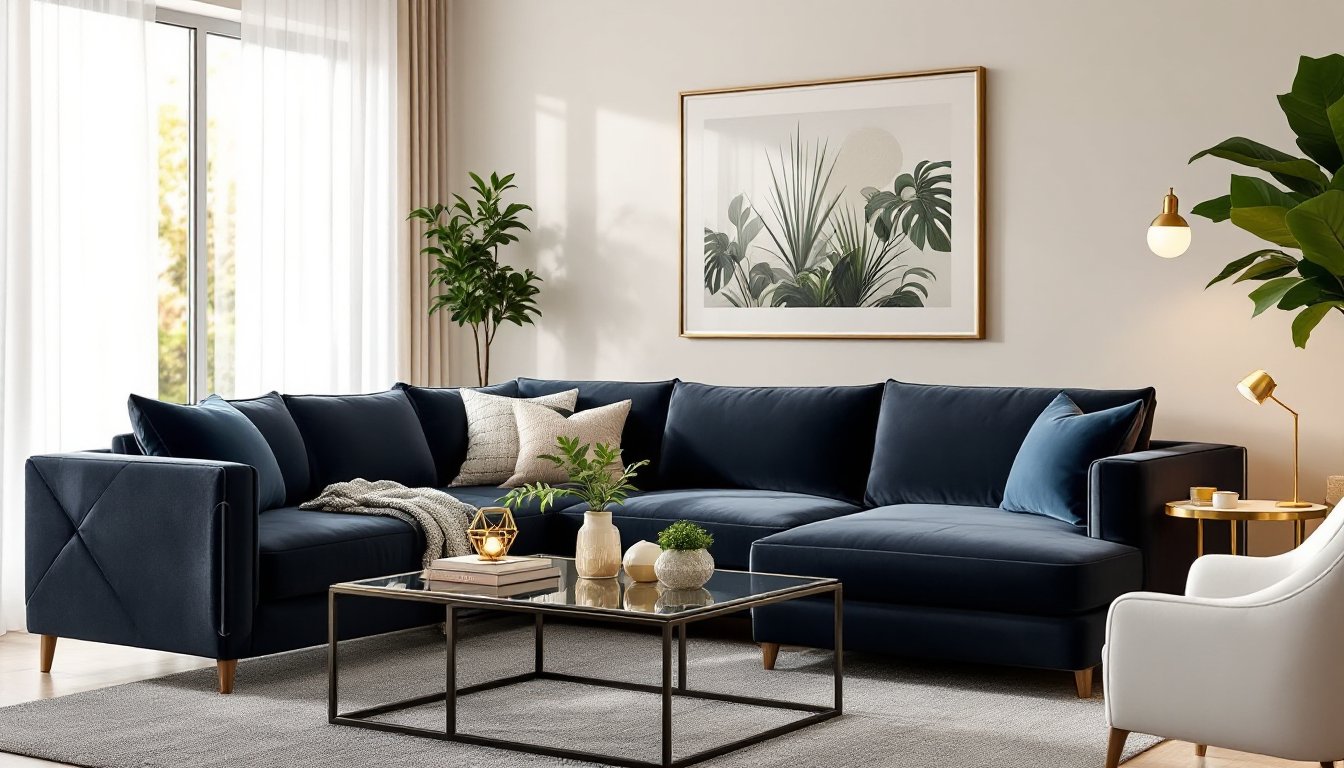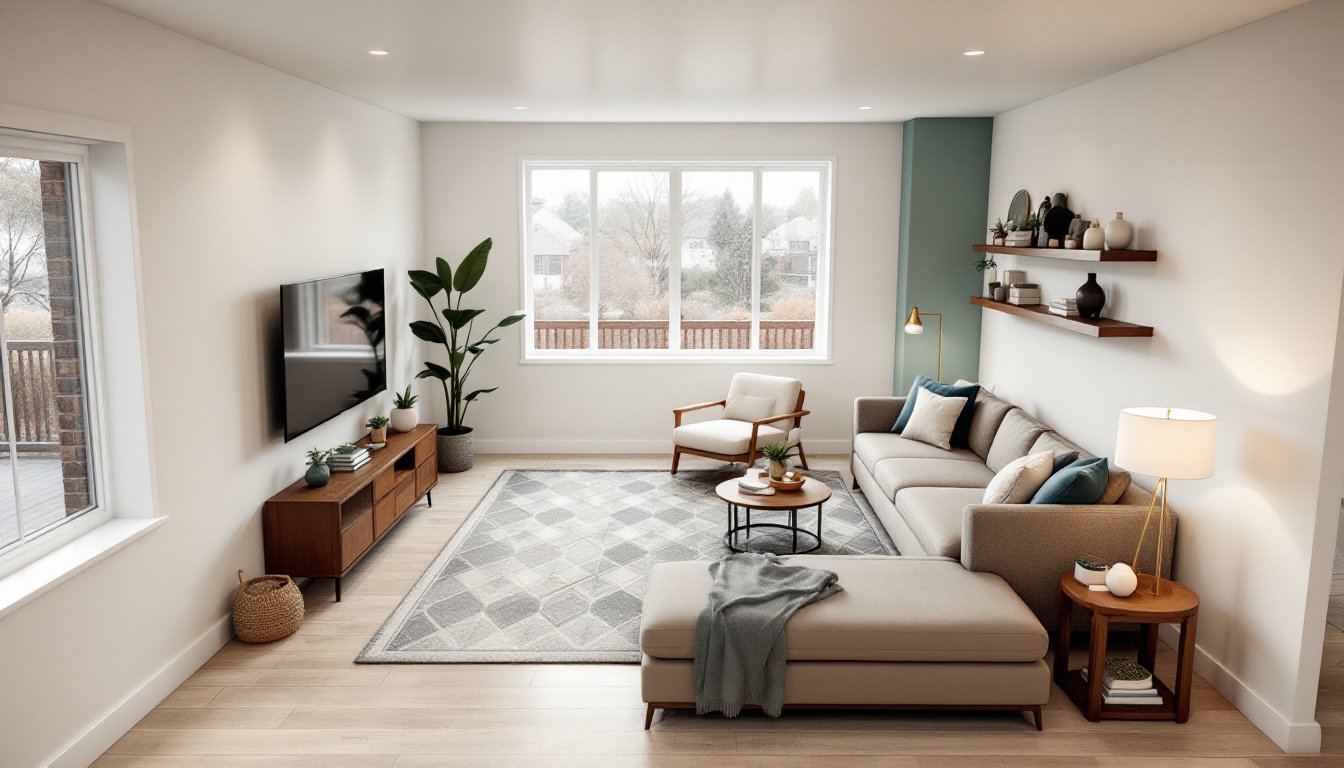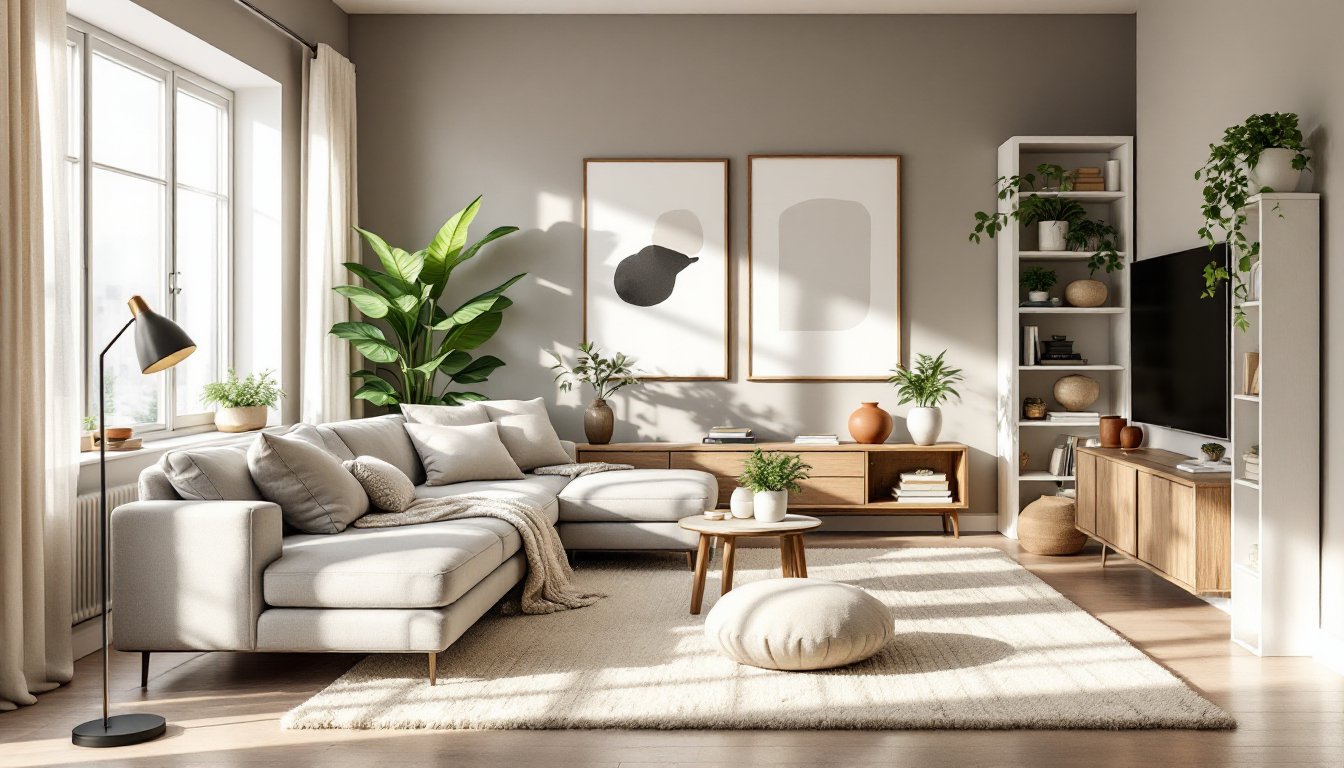
A grey and white living room strikes the perfect balance between calm and sophisticated. These neutral tones create an adaptable foundation that won’t feel dated in five years, making them ideal for homeowners seeking longevity over fleeting trends. Unlike pure white, which can feel sterile, or charcoal-heavy schemes that absorb light, a thoughtful grey and white palette offers warmth, flexibility, and a modern aesthetic that pairs beautifully with natural materials and meaningful decor. Whether you’re planning a complete refresh or working with what you’ve got, understanding how to layer these tones, textures, and accents will help you build a living room that feels both inviting and intentional.
Table of Contents
ToggleKey Takeaways
- A grey and white living room provides a timeless, versatile foundation that adapts to any style and won’t feel outdated, offering warmth and sophistication over trendy aesthetics.
- Test paint samples on your walls at different times of day to find the right grey tone, as grey shifts dramatically under morning light, afternoon sun, and evening lamps.
- Layer textures intentionally—combining smooth painted walls with textured rugs, linen upholstery, wood furniture, and ceramic accents—to prevent a grey and white room from feeling flat or sterile.
- Use a mix of ambient, task, and accent lighting with dimmers to control mood and ensure the room doesn’t feel flat, choosing fixtures in brushed nickel, matte black, or warm brass finishes.
- Add personality through one or two subtle accent colors (soft sage, terracotta, or muted navy) in roughly 10–15% of the room’s visual weight through pillows, art, or plants.
- Incorporate natural wood elements, minimal wall decor (2–3 pieces), and quality textiles like chunky knit throws and wool rugs to introduce warmth and comfort without compromising the clean, sophisticated palette.
Why Grey and White Works for Modern Living Spaces
Grey and white have dominated modern interiors for good reason: they’re forgiving, versatile, and serve as a canvas for personal style rather than dictating it. A grey and white living room doesn’t scream for attention, it creates space for the people in it, the light coming through your windows, and the pieces you actually love.
Neutrals also solve a real problem in open-plan homes. If your living room flows into a kitchen or entry, grey and white tones create visual continuity without feeling monotonous. The contrast between light and medium tones adds depth that a single neutral can’t achieve. Unlike warm beiges or cool blues, grey sits comfortably between extremes, which means it won’t clash with art, rugs, or accessories you already own.
From a practical standpoint, these tones hide everyday wear better than pure white and feel fresher than greige or tan. They photograph well, adapt to different lighting conditions, and provide a solid foundation for layering textures, something essential in a room where you’ll spend hours relaxing.
Choosing the Right Grey Tones and Textures
Not all greys are created equal. Warm greys lean slightly brown or taupe, while cool greys have undertones of blue or purple. Your choice depends on your room’s natural light, existing finishes, and personal preference, but the wrong grey can feel dingy or cold.
Start by testing paint samples on your walls at different times of day. Grey shifts dramatically under morning light, afternoon sun, and evening lamps. Grab 2-3 paint sample pots (most hardware stores charge $5–10 each) and paint 2-foot squares in different spots. Live with them for a few days before committing.
Layering texture is what prevents a grey and white room from feeling flat. Pair smooth painted walls with a textured area rug (jute, wool blend, or chunky knit), linen upholstery, a plush throw blanket, and perhaps a shiplap accent wall or exposed brick if your home has it. Wood furniture, whether dark walnut or light oak, adds warmth that prevents the palette from feeling sterile. The key is variation: matte paint, soft fabrics, smooth leather, rough wood, glossy ceramic accents. This variety is what makes a modern grey and white living room feel lived-in rather than showroom-ready.
Finding Your Perfect Grey Shade
If natural light is limited, lean toward lighter greys (LRV 50–65, measured on a 0–100 light-reflectance scale). Rooms with abundant south or west-facing windows can handle deeper greys (LRV 35–50) without feeling dark. Mid-tone greys (LRV 45–55) are the safest bet for most homes because they work across lighting conditions and pair easily with both warm and cool accents. Paint manufacturers include LRV numbers on sample cards, use this metric rather than guessing from the swatch alone.
Furniture and Layout Ideas for Grey and White Rooms
The beauty of a grey and white living room is that furniture choices are wide open. A light grey upholstered sectional anchors the room and feels contemporary, while white or off-white pieces, a console table, bookshelf, or side table, echo the lighter tones and keep sightlines open.
Layout should follow the room’s natural focal point, typically a fireplace, window, or TV. Position seating to face this anchor, leaving at least 18 inches of walking space between furniture pieces. In smaller rooms, avoid pushing everything against walls: instead, float a sofa and chairs to define the seating zone and make the room feel intentional.
When selecting pieces, prioritize clean lines over ornate details. Mid-century modern or contemporary designs feel at home in grey and white, while transitional furniture bridges modern and traditional aesthetics. Avoid patterns in upholstery if you’re new to designing neutrals, solid greys and whites are easier to live with long-term. According to interior design resources, mixing furniture heights (a low media console, tall bookshelves, seated seating at standard height) creates visual interest without introducing competing colors.
Functional pieces like ottomans, nesting tables, and storage benches in white or light grey keep the palette cohesive while adding practical storage. Metal or glass side tables introduce subtle shine that prevents the room from feeling too soft or heavy.
Lighting, Accents, and Finishing Touches
Lighting is non-negotiable in a grey and white room. Rely on a mix of ambient light (recessed fixtures or a ceiling fixture), task lighting (a floor lamp beside seating), and accent lighting (table lamps, wall sconces). This layering prevents the room from feeling flat and gives you flexibility to adjust mood throughout the day.
Choose fixtures with brushed nickel, matte black, or warm brass finishes, avoid shiny chrome, which can feel sterile. A statement pendant or chandelier in the center of the room anchors the space and prevents it from feeling too minimalist. Dimmers on overhead lights let you control brightness, which is especially important in neutrals where lighting dramatically affects how colors read.
Accents are where personality lives. One or two accent colors, soft sage, warm terracotta, or muted navy, prevent the room from feeling bland. Keep accent colors to roughly 10–15% of the room’s visual weight: throw pillows, artwork, plants, or a single accent chair. Home decor guides often emphasize that the best modern grey and white living rooms balance restraint with personality through thoughtful accessories.
Bringing in Warmth With Minimal Decor
Wood is your friend. A natural wood coffee table, wooden picture frames, or a wooden media console introduce organic warmth without introducing color. Plants, fresh or faux, soften hard edges and add life. A single large plant in a corner or a collection of smaller plants on a shelf feels intentional.
For wall decor, stick to 2–3 pieces rather than filling every surface. A large abstract print, a gallery wall of black-and-white photography, or a woven wall hanging adds texture and visual interest without clashing with your palette. House Beautiful’s design trends consistently highlight that restraint in styling creates a sophisticated, timeless look.
Textiles are the easiest way to add warmth and comfort. A chunky knit throw, linen pillows, a wool area rug, and curtains in natural white or soft grey layer texture and invite touch. These pieces are easy to swap seasonally or refresh when you crave a change, making them a smart investment for living rooms that need flexibility.
Conclusion
A grey and white living room rewards thoughtful planning. Test paint colors, invest in quality textiles, layer textures intentionally, and let your furniture and lighting do the heavy lifting. This palette won’t feel dated in a few years, it’s the definition of timeless. Start with one element, live with it, and build from there. Your serene, sophisticated living room is just a few decisions away.